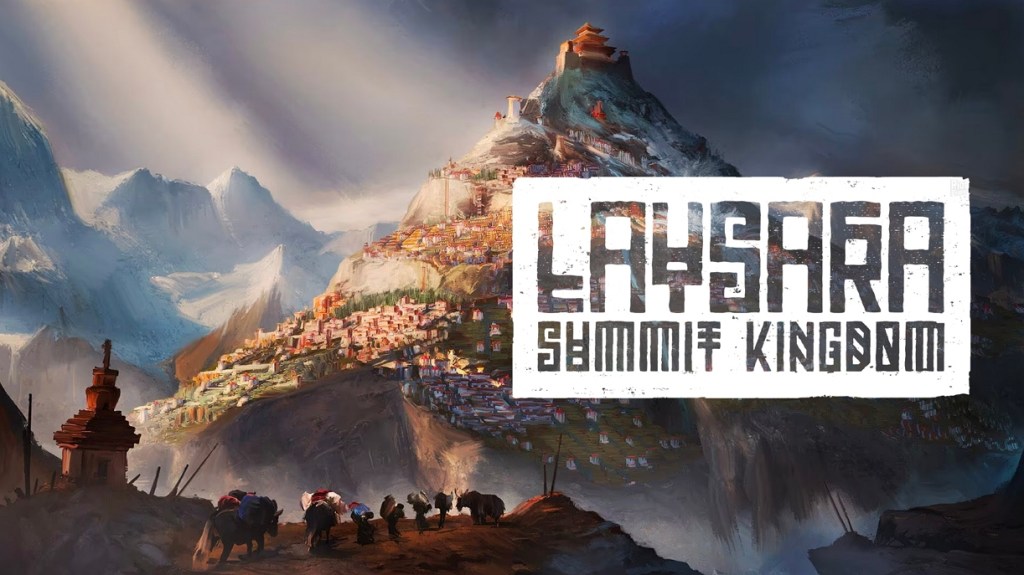
QuiteOK Games and Nejcraft present Laysara: Summit Kingdom. A city builder with a bit of a unique edge to it. You build on a mountain with limited space and the all too often threat of avalanches.
“Build and expand your very own settlements in high mountains! Carefully plan production chains and satisfy various needs of your three-caste society while dealing with mountain hazards such as weather breakdowns and avalanches. Are you skilled enough to make your town thrive?”
Laysara: Summit Kingdom feels like a game that should have been an instant win for me. I’m a sucker for city builders and micromanagement sandboxes—the kind of player who lost entire weekends to The Settlers without blinking. On paper, Laysara ticks all the right boxes: a fresh mountain‑side setting, verticality as a core mechanic, and a caste‑based society to juggle. But after several hours, something just didn’t click. And it took me a while to realise why. This isn’t really a city builder (in the more traditional sense). It’s a logistics puzzle title wearing a city builder’s coat.
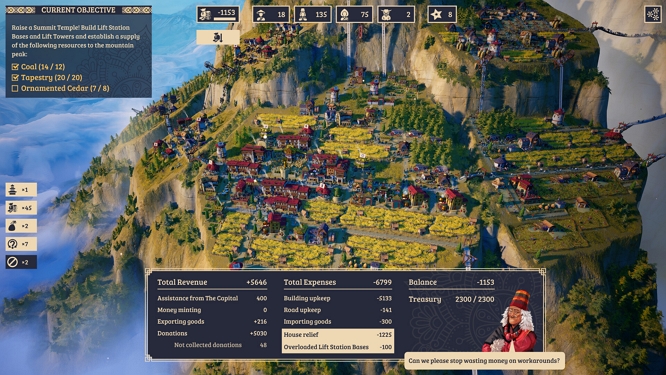
Laysara divides your population into three castes. Lowlanders, Artisans, and Monks, each with their own buildings, needs, and production chains. Lowlanders handle the grunt work like food and basic materials. Artisans take on the more specialised tasks such as mining. Monks, perched at the top of the social ladder and the mountain, drive research and higher‑tier development. This layered society should create interesting interdependencies. In practice, it often feels like managing three separate towns that occasionally pass each other resources. The castes don’t blend so much as coexist, and the game’s strict separation of their roles can make the whole system feel more like a spreadsheet than a settlement.
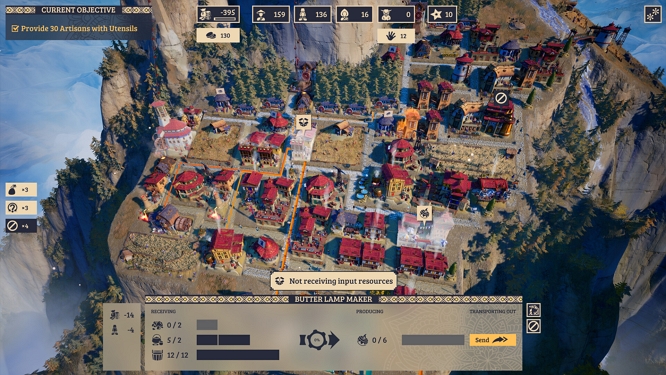
Building on a mountainside is a brilliant hook. Limited space, awkward terrain, and the constant need to link plateaus with bridges and lifts should create tension and creativity. And sometimes it does. But the novelty wears off once you realise the game is less about shaping a living city and more about solving a spatial puzzle with very specific answers. The economy revolves around gold, and running out means an abrupt game over. That’s fair enough, but it reinforces the feeling that you’re optimising a machine rather than nurturing a community.
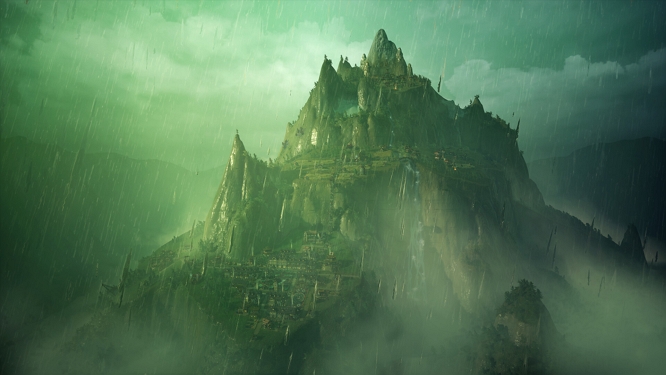
Early on, avalanches seem like a looming danger, an environmental hazard that could reshape your plans. But once you learn that planting a few forests completely neutralises them, the threat evaporates. It’s so trivial to counter that it raises the question of why the mechanic exists at all. It’s hard to feel tension when the solution is essentially “place trees, forget forever.” One design choice that grated on me more than expected was the inability to rotate buildings. I understand the logic, limited mountain real estate, fixed footprints, but it adds unnecessary friction. Instead of feeling like a deliberate constraint, it feels like the game is fighting you for no good reason.
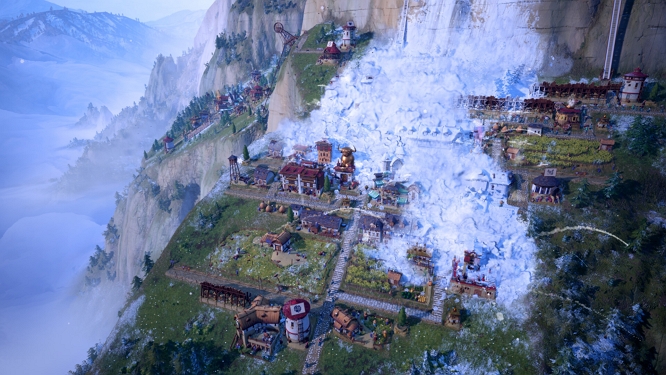
To its credit, Laysara looks lovely. The mountain aesthetic is striking, and once your settlement grows, watching your citizens scurry along paths and bridges has a certain ant‑farm charm. The visual clarity is strong, and the overall vibe is warm and inviting. But playing on Xbox, the controls never quite felt natural. There’s a definite “this was designed for a mouse” energy to the interface, and while it’s functional, it’s never comfortable. It’s the kind of console port that makes you think, “This will probably feel better after a few patches.”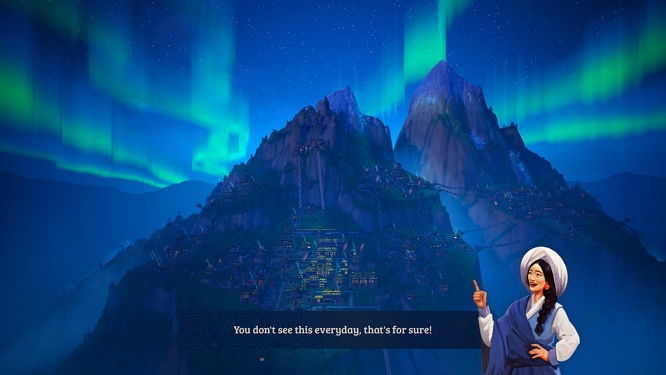
Out now on PC and all the consoles for around £20, Laysara: Summit Kingdom isn’t a bad deal, and it’s clear the developers have ambition. But launching as version 1.0, it still feels a bit early‑access in spirit, like players are being invited to help sand down the rough edges, but they have to pay £20 for that privilege. There’s a solid foundation here, but the game never gave me that irresistible pull that great city builders have. Instead of losing myself in a growing settlement, I felt like I was constantly solving a puzzle someone else had already completed. It’s a game with charm, ideas, and potential, but for now, it’s missing the magic.
 Little Bits of Gaming & Movies
Please leave a reply/comment.