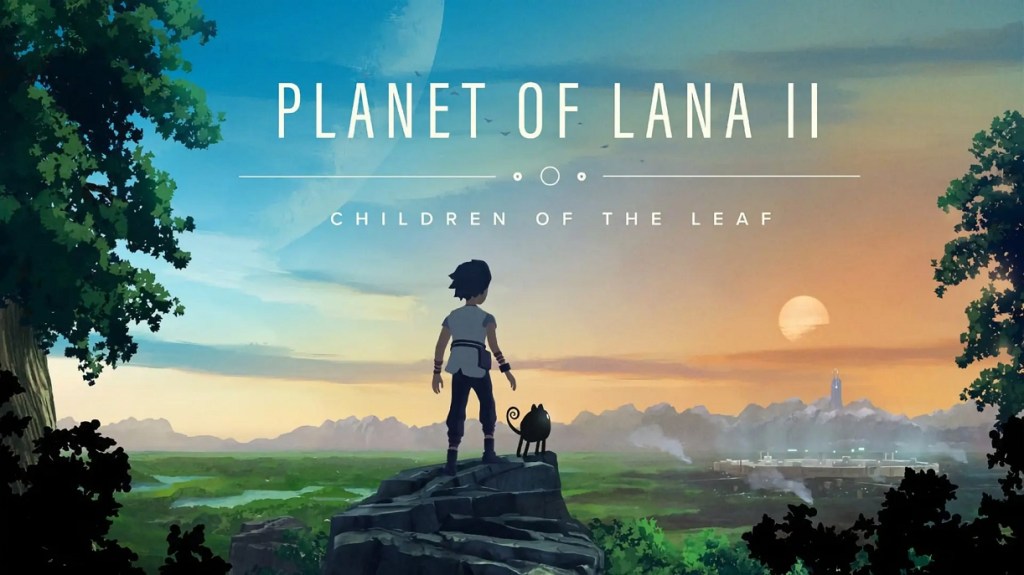
What can I tell you about Planet of Lana II: Children of the Leaf from Wishfully and Thunderful Publishing? Well, I can tell you that it is the sequel to Planet of Lana, and I can also tell you that I’ve never played that first game, so this is all quite new to me.
“As greed and power divide the tribes of their home planet, Lana and her little companion, Mui, must stand together against the forces reshaping their world – struggling not just for survival, but for the soul of their home.”
Planet of Lana II: Children of the Leaf leans into something really interesting: a story you’re invited to co‑author. You play as Lana, but the world never hands you its meaning on a plate. After a brief recap of the original game, the developers make it clear that the characters speak in their own language, and there are no subtitles. It’s a deliberate choice, and a clever one. Every conversation becomes a kind of emotional Rorschach test, you project tone, intention, even entire subplots onto the gestures and sounds. It’s visual storytelling at its purest, and it works far better than it has any right to.
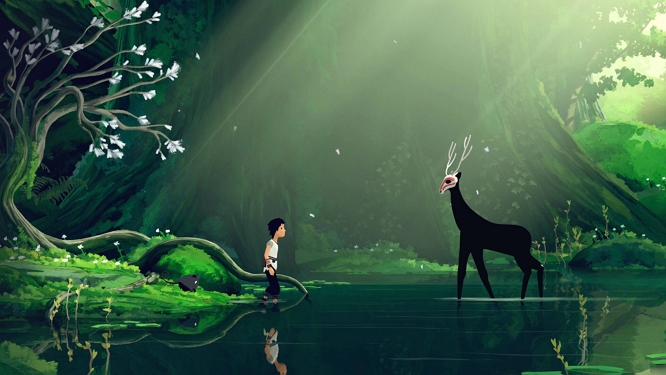
Planet of Lana II embraces the classic 2.5D cinematic platformer formula, running, jumping, environmental puzzles, but it does so with a sense of rhythm and confidence that keeps the experience from ever feeling derivative. Lana herself is a pacifist by necessity; she has no attacks, no weapons, no last‑minute combat tricks. Enemies will kill her instantly, which makes every encounter feel like a small stealth puzzle. Her strengths are agility and intelligence: sliding under machinery, wall‑jumping up impossible cliffs, or outsmarting a threat rather than overpowering it. The game consistently rewards observation over aggression, and that gives even simple sequences a satisfying tension.
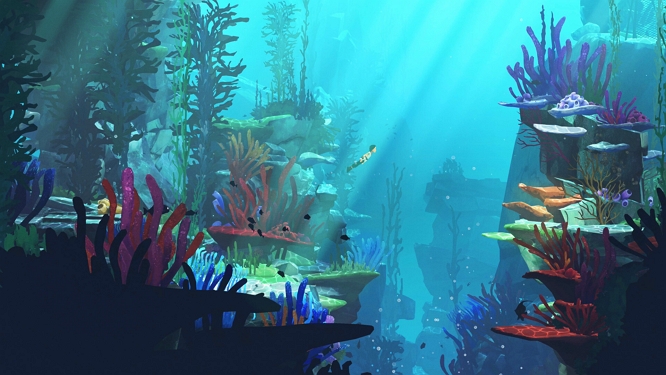
Then there’s Mui, your companion, your puzzle partner, and occasionally your lifeline. Controlling Mui independently adds a layer of tactical play that elevates the whole experience. Mui can reach places Lana can’t, deliver a short electrical charge to stun enemies or activate devices, and generally act as the nimble half of the duo. The game frequently asks you to think about the pair as a single unit with two bodies: Lana can swim but Mui can’t; Mui can squeeze through gaps Lana never could. Some of the best moments come from this interplay, Lana diving into murky water to open a path while Mui anxiously waits above, or Mui darting ahead to disable a threat so Lana can slip past. The puzzles are clever without ever becoming obtuse, and the game never crosses into frustration territory.
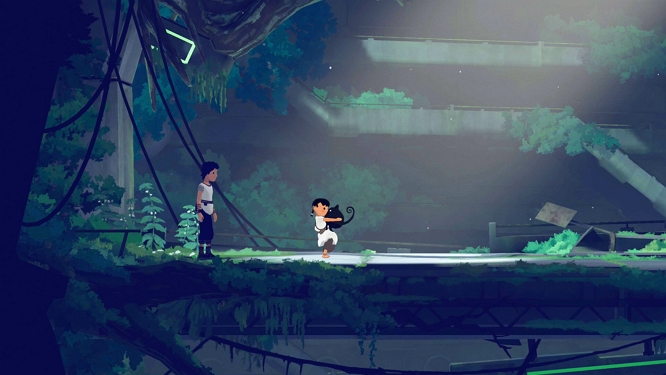
The control scheme is refreshingly straightforward. Lana handles with the left stick and face buttons, while Mui is directed with a cursor and a shoulder button. It’s intuitive, and the game knows when to mix things up, sometimes you’re solo as Lana, sometimes you’re guiding Mui alone, and sometimes you’re juggling both simultaneously. That variety keeps the pacing lively and prevents the platforming from settling into a predictable loop.
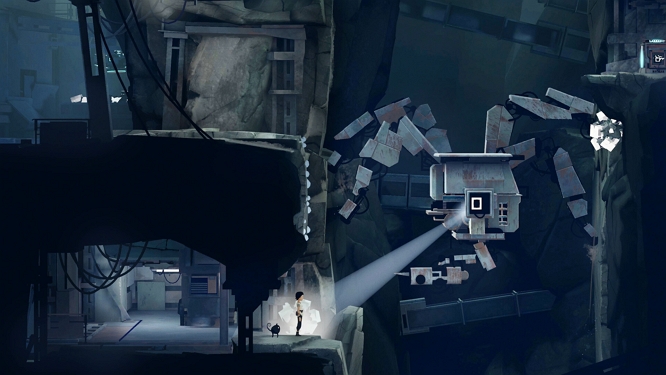
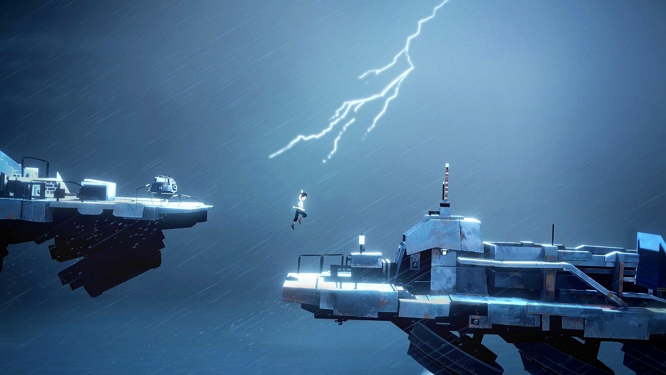
Visually, Planet of Lana II is stunning. The hand‑drawn aesthetic is both minimalist and richly textured, creating a world that feels handcrafted rather than assembled. Every biome feels alive: trees sway, snow drifts, birds scatter as you approach, lightning cracks across stormy skies. The environmental detail is dense without being cluttered, and the art direction gives the game a painterly warmth that’s rare in modern platformers. The soundtrack complements this beautifully, gentle when it needs to be, sweeping when the story swells, always in sync with the emotional beats you’re interpreting for yourself.
Planet of Lana II: Children of the Leaf is available now on PC, PlayStation, and Xbox for around £17. It’s a gorgeous, thoughtful, and surprisingly emotional experience, one that trusts the player to fill in the blanks and rewards them with a world worth getting lost in. Strong platforming, imaginative puzzles, and a beautifully realised aesthetic make this a standout sequel and a genuinely memorable few hours.
 Little Bits of Gaming & Movies
Please leave a reply/comment.