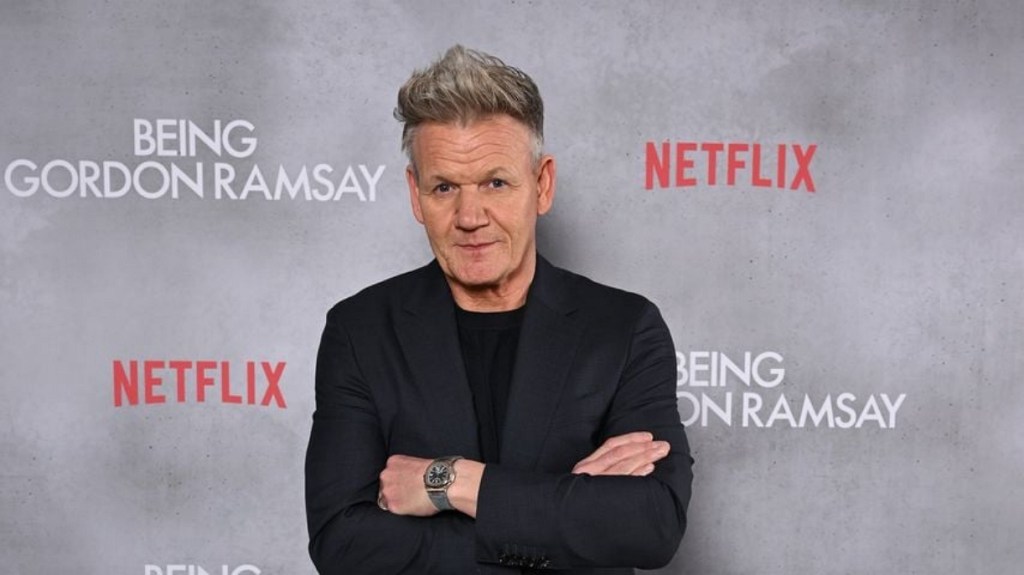
I admit to having a bit of a vested interest in Gordon Ramsay, partly due to the fact that I used to be a chef myself. But mainly as I have spent an inordinate amount of time researching and writing a Kitchen Nightmares tome so huge that I had to split it into two volumes. Recently, I have been editing volume two of my Kitchen Nightmares book, so I thought I’d watch Being Gordon Ramsay on Netflix to see if I could gain any worthwhile content.
What a load of shit this show is. Fake drama, manufactured tension, and the same recycled Gordon Ramsay mythology he’s been peddling for years. I went in expecting a genuine documentary, something that might actually peel back the curtain on the most famous chef on the planet. Instead, I got a glossy PR reel with the emotional depth of a Burger King ad. The premise is simple: follow Gordon and his family (mainly Gordon) as he prepares to launch his “biggest project ever”, five restaurants under one roof at Bishopsgate, London. The place is called 22 Bishopsgate, and don’t worry if you forget, because the show will remind you every five bloody minutes.
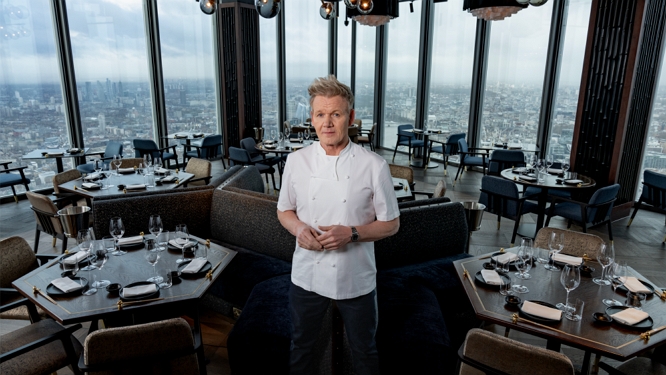
The entire series is built on the idea that Gordon is risking everything. His money, his reputation, his legacy, his soul. Except… he isn’t. There is a moment where Gordon outright says that his reputation is on the line. It’s really not. He claims the project costs £20 million. Fine. But the show treats that number like he’s personally remortgaged all of his houses, sold all of his restaurants, and is one bad week away from selling his kidneys on the black market. In reality, he’s almost certainly not paying the full £20 million himself. Investors exist. Banks exist. Corporate structures exist. Even he contradicts himself in the first episode: “I’m financing it myself… with help from the bank.” So… not yourself then?
And even if he were footing the bill, £20 million to Gordon Ramsay is almost pocket change. To you and me, 20 million is life-changing, several lives over. But Gordon is worth £162 million. Not just from his restaurants, his TV shows, his licensing deals, his overly expensive pots and pans, awful frozen meals, and… Burger King ads. Losing £20 million would be annoying, not catastrophic. It’s the equivalent of someone with £162 losing £20. You’d swear, you’d sulk, you’d move on, and ultimately, you’d survive. But the show keeps hammering this idea that the stakes are apocalyptic. It’s manipulative, and worse, it’s boring. Gordon losing the 20 million isn’t going to see him living on the streets and rummaging through bins for food. Manufactured tension is still manufactured.

Gordon keeps insisting this Bishopsgate project is his “legacy.” No, it isn’t. His legacy is the last 25 years: the restaurants, the Michelin stars, the TV empire, the global brand, the memes, the shouting, the whole circus. This project is a slight footnote. A big, expensive footnote, but still a footnote. Saying this is his legacy is like Paul McCartney claiming his legacy is whatever album he’s releasing this year while pretending The Beatles never happened. Gordon has over 90 restaurants, I think the show says 95. So add on the whole Bishopsgate project, which takes the total up to 100. Even if this goes tits up, that is only 5% of his restaurant empire. If this all collapses, if the project doesn’t work, I’m pretty sure the other 95 restaurants will keep him afloat; that’s just his restaurants, too, before we even cover the TV stuff and all the endorsements, etc. The show does its very best to force the idea that the risk is high, but it’s not.
If this were a show that followed a chef who only had 20 million and poured it all into a massive project. One that could end in total disaster and completely ruin his life, that’s a risk. Putting 5% of a global restaurant empire on the line isn’t a risk, and it won’t harm Gordon’s reputation if it fails. It might give his reputation a slight tap. Even so, he’s a global brand. People will go to the restaurants just because of the name.
Let’s be honest: Gordon hasn’t been a chef in over a decade. He can cook, obviously, but he’s not a working chef. He’s a TV producer and a global brand manager. And that’s fine, but the show pretends otherwise. The five restaurants aren’t bold new ventures. They’re brand templates he’s already rolled out elsewhere: Lucky Cat, Bread Street Kitchen, etc. It’s not innovation; it’s franchising with a view of London. And his actual involvement? He pops in, says something dramatic, everyone applauds like he’s descended from the heavens, and then he leaves. The real work is done by the dozens of people in his empire who never get more than a two‑second cutaway. Gordon does wear a hard hat and high-vis vest, though. Speaking of which, he has these at his home; he doesn’t get them from the Bishopsgate stie itself. Does Gordon have building gear just lying around the house for the exact moment he needs them for a TV show?

There’s a whole segment where he takes his daughter Tilly to get her first-ever chef whites. He’s proud, fair enough. But the show tries to frame her as some plucky newcomer entering the culinary world for the first time. Come on, she’s a nepo baby. Don’t get me wrong, I’m not saying that Tilly has zero culinary skills or knowledge, she does. But she has that because of who her father is, she has her platform because of who her father is. Her father is the most famous chef alive. Tilly has been on cooking shows, she’s been on MasterChef. She’s an “internet chef.” But apparently, she’s never set foot in a professional environment before? Her father owns over 90 restaurants around the world… but Tilly has never set foot in a professional kitchen before? It’s also claimed in the show that Tilly has never worn chef whites; she doesn’t even know how to button the jacket up and asks Daddy for help. So… what was she wearing when she was on MasterChef a few years ago?
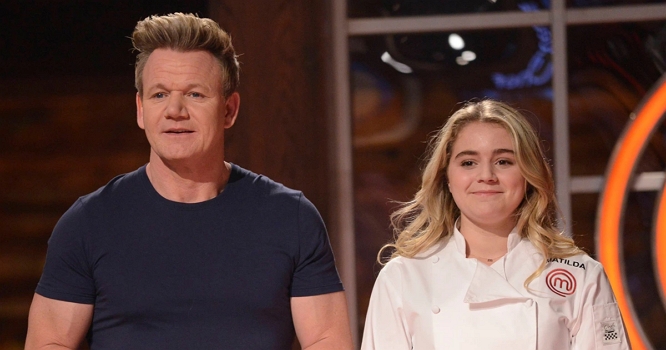
And the fact that Gordon sends Tilly to a culinary school in Ireland instead of the Gordon Ramsay Academy, the place he created to train chefs to his standards, unintentionally raises a hilarious question: If the GRA is so good, why isn’t it good enough for his own daughter?
The show trots out the same three stories Gordon always tells. His poor upbringing. His abusive/alcoholic father. His relationship with Marco Pierre White. Sorry, the same four stories. He brings up the closure of Amaryllis in 2004… again. He claims he’s closed “multiple restaurants,” but he only ever talks about that one. It’s like his personal Greatest Hits album, and he refuses to release anything new.
This isn’t a documentary. It’s a six‑episode brand extension exercise. A corporate sizzle reel with dramatic music and snappy editing. Being Gordon Ramsay is a six-episode-long advert for 22 Biphosphate and the Ramsay empire. It’s PR dressed up as vérité. If you want to see the opening of a restaurant with more honesty, transparency, and actual stakes, follow a new McDonald’s franchisee. At least they don’t pretend they’re risking their legacy.
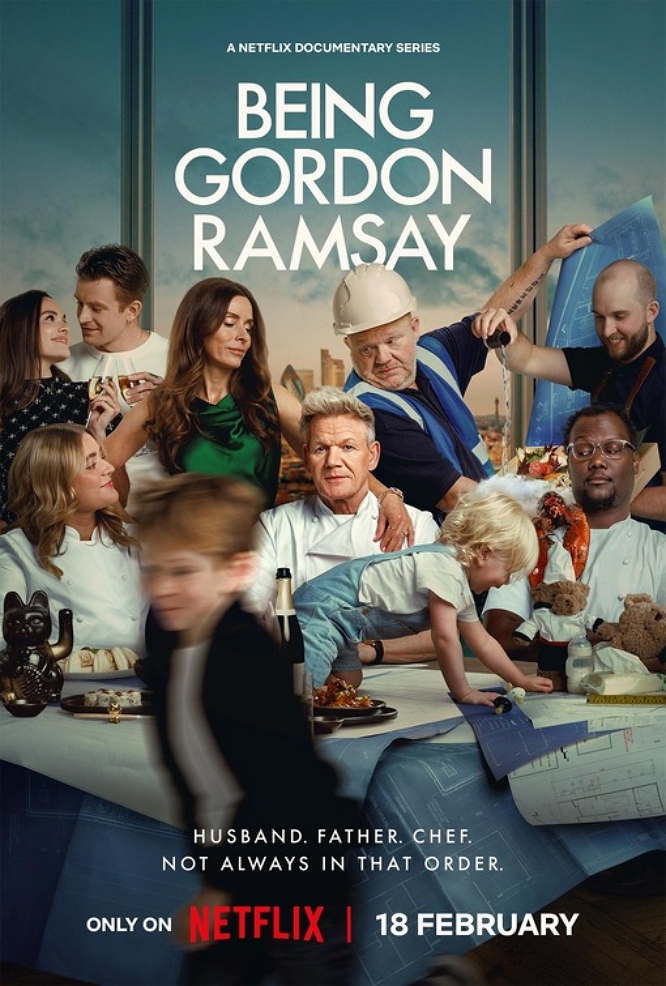
Being Gordon Ramsay is utter bollocks. It’s dull, repetitive, and fundamentally dishonest about what it is. I got through the first episode, endured about ten minutes of the second, and that was about all I could stomach. This could’ve been fascinating, a real look at the making of a global culinary icon. A deep dive into the real Gordon Ramsay, his rise and his global reach. Instead, it’s a glossy, shallow, risk‑free ad campaign pretending to be a documentary. Or, as Gordon himself might say: “Shit, shit at its best!”
 Little Bits of Gaming & Movies
Please leave a reply/comment.