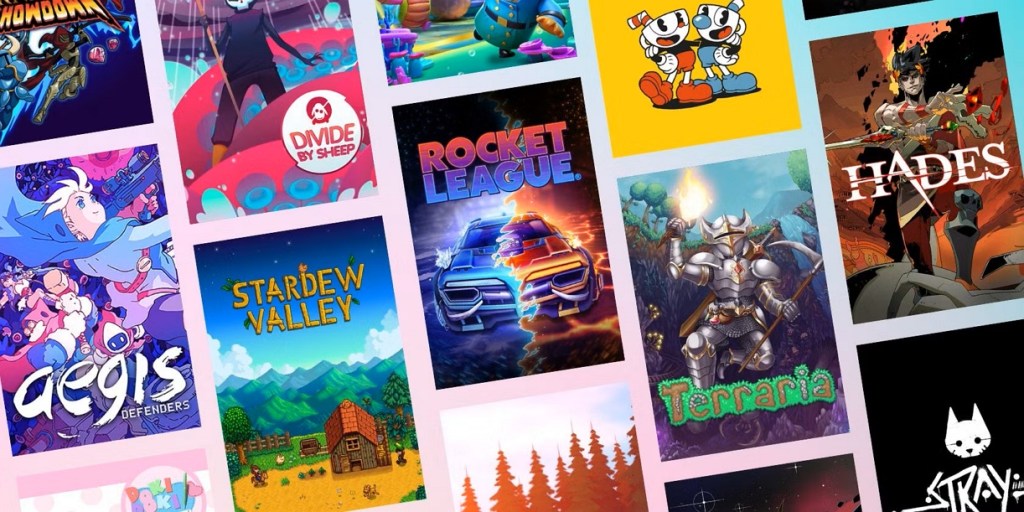
I am a huge indie game fan, to the point where I’ve basically become a monogamist. I don’t really dabble in AAA anymore; I very rarely flirt with them. I play indie games for this blog, sure, but also in my downtime, my uptime, and the time I should probably be doing something productive. Five years ago, I wrote an article about how I fell into the indie rabbit hole and why big-budget titles just don’t do it for me anymore. (Fair warning: this article now contains five-year-old references so outdated they might as well be written on parchment.) But even though I still adore the indie gaming scene, something has shifted. Not a dramatic, cinematic shift, more like a slow, creeping one. The kind you only notice when you look back and realise the landscape has slowly changed under your feet.

I’ve always compared indie games to Japanese animation: there’s some truly incredible stuff out there… but you have to wade through a lot of shit to find it. That’s always been part of the charm, the treasure hunt, the thrill of discovery, the uncovering of a gem. But over the last two or three years, the ratio has changed. There’s more shit, fewer gems, and the shit-swamp is getting deeper.
I get so many indie games sent my way now that I’m turning down more than I accept. Not because I’ve become picky or pretentious, but because the sheer volume has exploded. Everyone and their mother seems to think they’re an indie dev these days. And look, I’m not here to crush dreams, but the truth is that not everyone should be releasing a game. Some projects feel less like “a game” and more like “a personal experiment that accidentally escaped into the wild.” I say this as someone who writes books. I have five manuscripts that will never see the light of day. Why? Because they were experiments, playgrounds for ideas, styles, and concepts. They served me, not an audience. A lot of indie games I’ve played recently feel exactly like that: prototypes masquerading as finished products.
And then there’s AI. The rise of AI has made farting out a game easier than ever, and that’s… not great. I get why some devs use AI, because budgets are tight, artists are expensive, and sometimes you just need a placeholder. I’m not anti-AI. I’m anti-abuse of AI. There’s a difference between using AI to polish something you created and using AI to create the thing so you don’t have to.
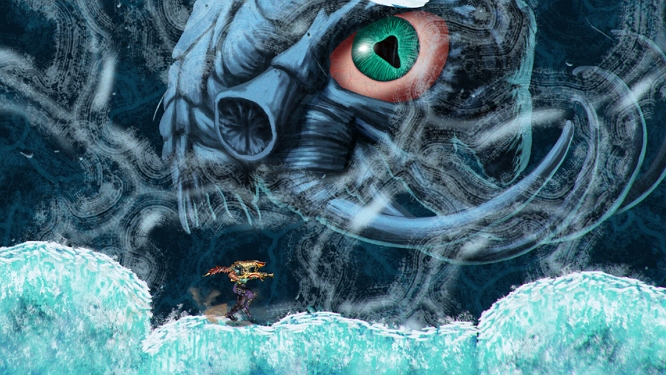
Recently, I reviewed a brilliant old-school shooter called ChainStaff. Gorgeous hand-drawn art, tight gameplay, the whole package. While researching, I found a statement from the devs clarifying that all the art was hand-drawn and no AI was used. I liked that so much I mentioned it in my review. But afterwards, it hit me: how backwards is it that devs now feel the need to announce that they didn’t use AI? That’s the world we’re in now, where “made by humans” is gently tiptoeing in and becoming a unique selling point.
Because AI is everywhere. And as more devs rely on it to “create” art, genuine hand-crafted work is slowly becoming rarer. Not totally extinct, just rarer. There are still incredible solo devs and small teams out there pouring years into a single project. I’m following one dev who’s been working on their game for nearly six years and refuses to touch AI. But the water is getting murkier, and some devs are churning out games at an alarming rate. Weeks, not years. And it shows.
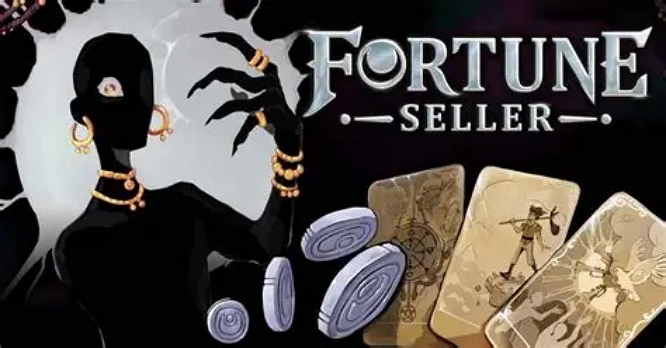
And it’s not just about the use of AI. It’s honesty. Let me direct you to a personal friend of mine, a fine fella, Lord Badger over at Stoffel Presents, a man with a beard so magnificent it deserves its own credit in film. Anyway, Badger recently reviewed a game called Fortune Seller. He was sent a press release that made the game sound like something entirely different. The press release compared it to specific popular titles and promised a specific gameplay style. The actual game? Nothing like that. It’s cheeky at best, deceptive at worst, and guaranteed to annoy reviewers.
Good, honest reviewers don’t kiss arse. If your game is crap, we’ll say so. The flipside to that is that if the game is brilliant, we’ll shout it from the rooftops. We want indie devs to succeed. We love the passion, the creativity, the weirdness, the risks. But we can’t champion something that’s been misrepresented. I’ve played games that used entire maps “borrowed” from other titles. I’ve played games that leaned so heavily on AI they might as well have been generated by a Samsung smart fridge. I haven’t yet played a game that lied in its press release, but given how many games I now decline, the odds are high that one has already slipped past me. Right now, I’m reviewing a game that may not outright lie in its press release, but it definitely… stretches the truth. Let’s call it “creative marketing.”
There’s been a noticeable rise in AI-driven indie devs over the last few years, and with that rise comes an increase in lazy devs too. Again, I’m not against AI. I’m against the abuse of it. And I’m very much against lying to reviewers in press releases. Indie games are still where the magic happens. They’re still where innovation lives. But the scene is changing, and not always for the better. The gems are still out there, they’re just buried deeper now, under a growing pile of AI sludge, rushed releases, and misleading promises. And honestly? I miss when the hunt for a real indie gem felt exciting instead of exhausting.
 Little Bits of Gaming & Movies
Please leave a reply/comment.