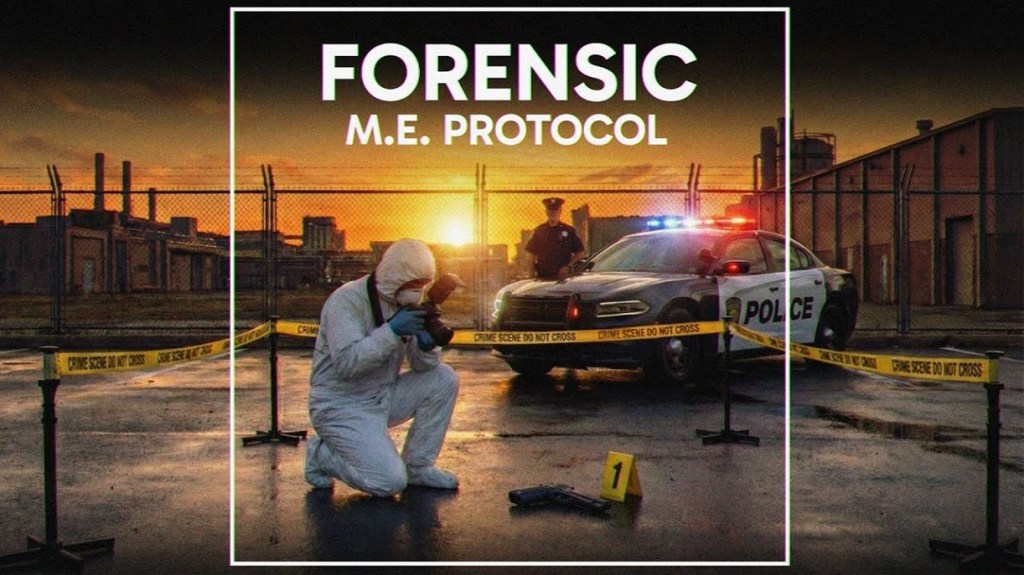
From k148 Game Studio and JanduSoft comes Forensic – M.E. Protocol, a game that doesn’t ask you to mow down waves of enemies or square up to oversized bosses. This is a methodical, detail‑driven investigation simulator where your job is to pick through crime scenes with scientific precision.
“Put on your gloves and enter the crime scene. In this investigation simulator, you will have to solve 9 unique and independent cases full of plot twists. Use drones, robots, and chemical analysis to discover what really happened. Here, you don’t shoot the bad guys; you catch them with science.”
As someone with a real soft spot for detective games, titles that reward patience, observation, and a bit of old‑fashioned brain‑work, Forensic – M.E. Protocol should be right up my alley. And in many ways, it is. But before it becomes the engrossing forensic title it aims to be, it first frustrates the absolute life out of you with a tutorial that barely qualifies as one.
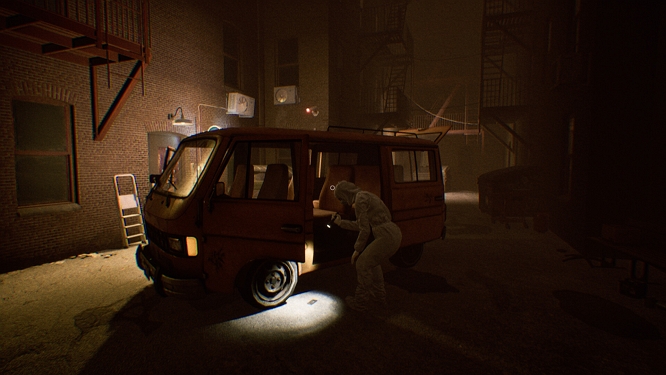
My calling the opening sequence a “tutorial” feels generous. Tutorials traditionally guide you, step by step, through the basics. Forensic – M.E. Protocol instead drops you into a practice case featuring a crash‑test dummy and essentially says, “Good luck.” And trust me, this game has depth. Serious depth. Yet the introductory case offers only the faintest hints about what your tools do, and absolutely nothing about how to actually use them. No button prompts. No control overview. No explanation of how to pick things up, swap items, crouch, or interact with the environment.
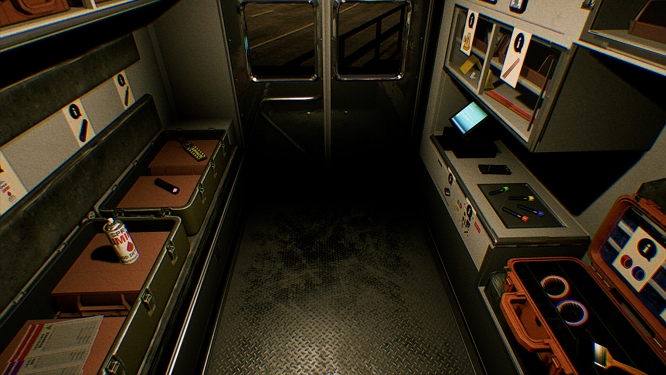
You’re presented with a van full of forensic equipment and told to determine how the dummy “died.” That’s it. It’s overwhelming, not because the systems are bad, but because the game refuses to teach you the fundamentals. Now, I’m not saying that I wanted the game to hold my hand, I really didn’t. It’s just that it’s overwhelming… and this is the introductory case, the one that is supposed to introduce you to the game and the mechanics… it doesn’t. At least it doesn’t in a user-friendly way.
Take the camera as an example. You can photograph evidence, but you can’t seem to zoom, which makes getting the shot right really awkward. And taking photos is already absurdly finicky. I tried to photograph a gun used in a shooting, lined it up, centred it, snapped the picture… nothing. You’re supposed to get a little music cue to tell you you got the photo, I didn’t. Turns out I needed to shuffle half a step to the left for the game to acknowledge it. Why? The photo clearly showed the gun. But because I wasn’t standing in the exact magic spot, it didn’t count.
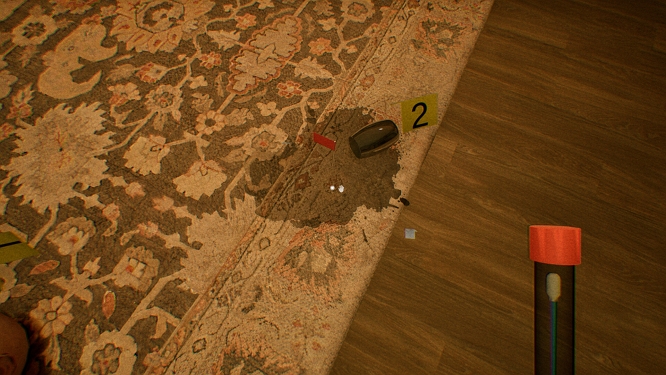
This is the sort of thing a tutorial should clarify. Not hand‑holding, just basic orientation. A map, not a guided tour. Instead, you’re left to mash buttons, guess, and hope. I eventually finished the opening practice case with an F rank. Why an F? What did I miss? How do you improve? The game never properly explains. It’s baffling how many foundational elements are simply absent.
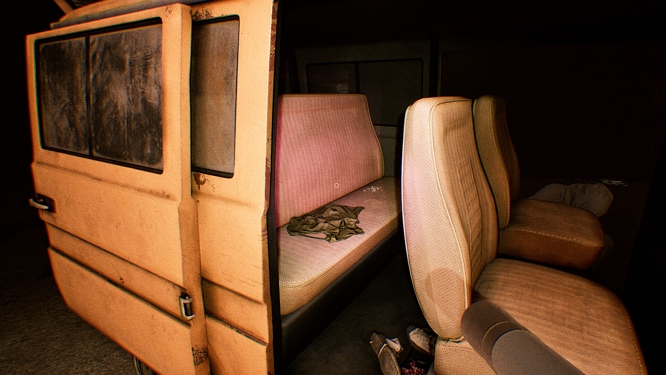
Then there’s the equipment system. You can only carry two items at once, or just the camera. Need something else? Back to the van. Drop an item. Pick up another. Return to the scene. Rinse and repeat. I was investigating a case that required three liquid samples, but I could only carry two vials to gather those samples. Back to the van. I had to lift some fingerprints, and I had to carry the brush to dust and the tape to lift the prints. So that’s both carry slots used up just to get one piece of evidence. It’s a constant, needless loop of back‑and‑forth busywork. Real forensic investigators carry kits, bags, cases, not two random objects like they’re popping to the shops. It’s an artificial limitation that adds frustration, not realism, and Forensic – M.E. Protocol can be beyond frustrating. The game’s design is horribly flawed on the basic level, the mechanics are needlessly awkward. It just drops you into this world, offers almost no guidance, and just expects you to know exactly what you’re doing, like you’ve been a forensic investigator for twenty years… but one that can only carry two things at once and has to keep popping back to the van every two minutes.
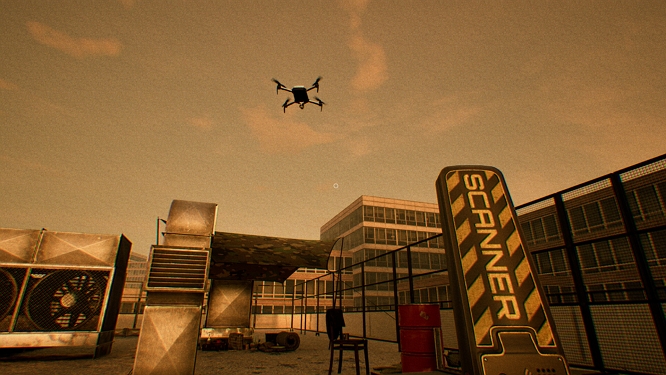
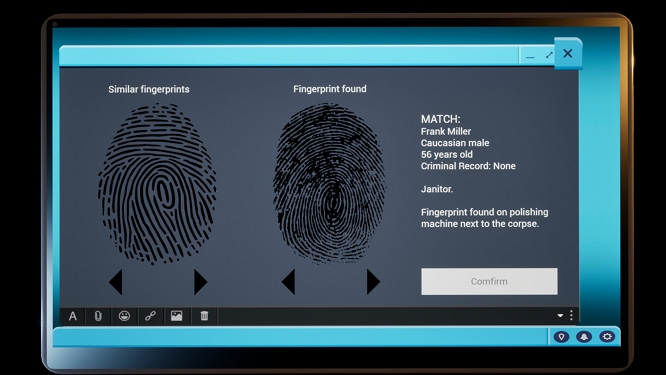
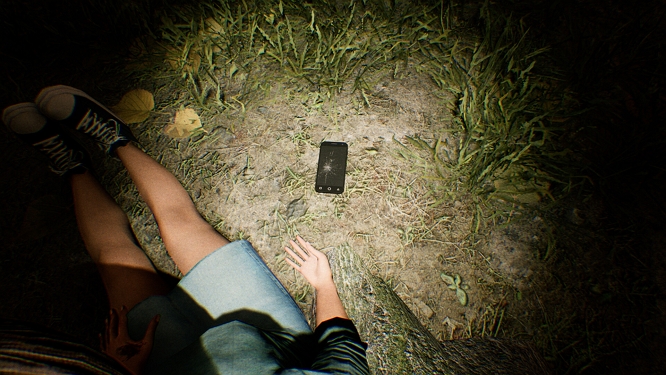
But here’s the twist: once you push through the clumsy introduction and the awkward mechanics, Forensic – M.E. Protocol becomes genuinely compelling. Investigating scenes, gathering evidence, analysing samples, cross‑referencing fingerprints, eliminating red herrings. It’s all deeply satisfying once you understand how the systems fit together. Cases are layered and involved. You’re not just finding clues; you’re determining which clues matter. A fingerprint might match someone in the database, but that doesn’t mean it’s relevant. A victim’s phone might contain the key to the entire case, or nothing at all.
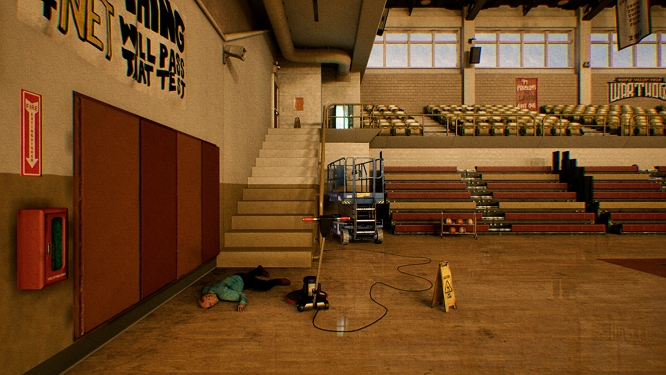
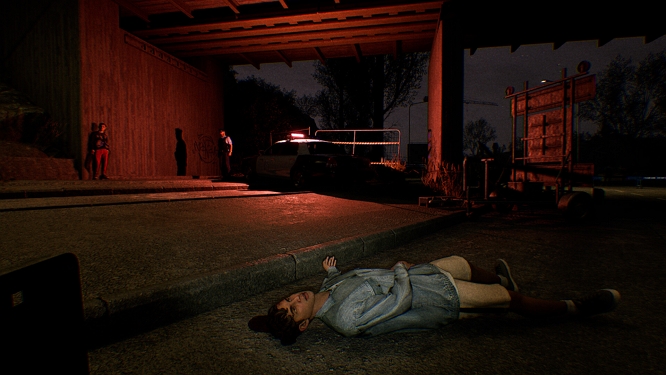
Your job isn’t to play judge or detective. You’re reconstructing events from any evidence found. Sometimes there isn’t even a murder to investigate, just a tragic accident. The game trusts you to piece together the truth from the evidence you collect. Your attention to detail and observation skills need to be on point. You can finish a case early, miss evidence, draw the wrong conclusion, and earn another F. But nail everything, every photo, every sample, every deduction, and you’re rewarded with an S rank (yes, I finally worked out how the scoring works). There are eight full cases (nine if you count the intro), and you can blast through them in a couple of hours. But achieving S ranks across the board will take considerably longer.
Forensic – M.E. Protocol is available now on PC, PlayStation, Xbox, and Switch for around £10. And yes, I would recommend it. The core experience is smart, engaging, and refreshingly different. But it’s just not user‑friendly. The opening is rough. Using the camera and taking photos is finicky. The two‑item carying limit is baffling and really annoying. And sometimes the logic of evidence collection makes little sense. As an example, one case had me identify a murder weapon lodged somewhere high up. I had to use a drone to locate it, but couldn’t retrieve it. Why? Surely the killer’s prints would be on it, and that’s evidence. No forensic investigator would shrug and leave crucial evidence behind just because it’s awkward to reach.
These are issues that could be fixed with a patch or two, and if they were, the game could move from “annoying but good” to simply “good.”


Please leave a reply/comment.