
I confess to having a soft spot for detective games. I love the slow burn, the meticulous sifting through clues, the cross-referencing of witness statements, and the quiet satisfaction of channelling Sherlock Holmes through his famous maxim: “When you have eliminated the impossible, whatever remains, however improbable, must be the truth.” It is an itch for methodical deduction that developers CheesecakeGames and JanduSoft aim to scratch with their latest release, Dark Alley.
“A British detective has vanished in Kyoto. Step into Detective Bennett’s shoes and uncover a mystery that reaches far beyond the Yakuza.”
The game slips players squarely into the trench coat of Detective Thomas Bennett. Travelling from London to Kyoto to investigate the sudden, inexplicable disappearance of his colleague, Edward Hale, Bennett quickly finds himself out of his depth. He must navigate a labyrinth of secretive locals, unspoken threats, and the heavy, ominous shadow of the Yakuza.
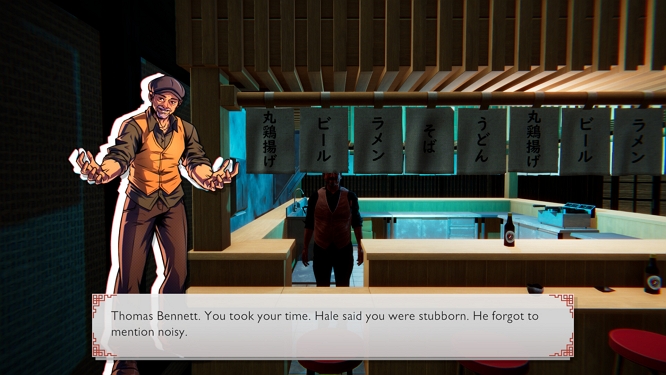
Without question, the game’s greatest asset is its setting. Relying on a stark, atmospheric contrast between serene, traditional Japanese beauty and a seedy criminal underworld, Dark Alley sends you combing through environments inspired by real-world locations. You’ll trace Hale’s final steps through the bustling stalls of Nishiki Market, quiet bamboo groves, and the rain-slicked, lantern-lit backstreets of Gion.
Mechanically, the experience is refreshingly grounded. Controls are pick-up-and-play straightforward, utilising standard dual-stick movement to navigate and search environments for items and clues. The gameplay loop delicately balances stealth with moments of sudden urgency: you will crouch to slip quietly past potential threats, but you’ll need to sprint for a necessary burst of speed when survival takes centre stage.

The investigation element itself is kept deliberately accessible. You interact with the world via simple button prompts, gathering physical evidence, recovered letters, and witness accounts that feed directly into dialogue trees, new deductions, and unlocked pathways. Confronting a cast of suspicious nightclub owners and dubious residents requires you to weigh witness credibility and suspect motives rather than taking dialogue at face value. It’s not a deep detective game, this is no L.A. Noire, but it works.

Crucially, environmental puzzles and inventory obstacles are woven directly into the fabric of the story rather than feeling like arbitrary padding. Whether you are scavenging for a blunt object to smash through a boarded-up doorway or finding a clever way around a menacing wasp nest blocking your way forward, the progression feels organic. Keeping track of your objectives is effortless, too, with active case goals accessible via the options menu at any time.
As a modest indie release, Dark Alley comes with some understandable limitations. Production values reflect a smaller budget, visible particularly in stiffer character animations and occasional rough patches in environmental textures. Furthermore, its slow, deliberate pace and complete absence of high-octane action means it will likely deter players seeking a flashy, adrenaline-fuelled thriller.
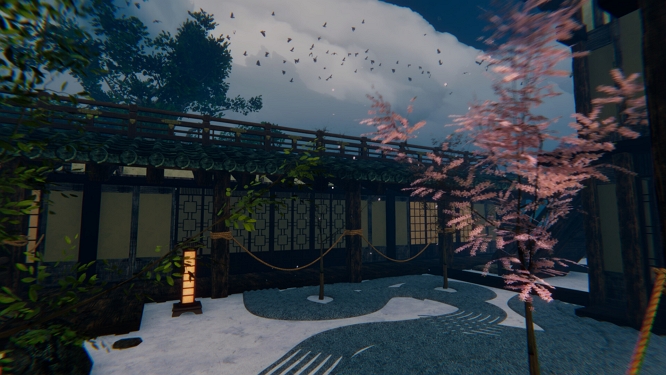
Ultimately, however, Dark Alley delivers a focused, slow-burn mystery that respects both the player’s intelligence and time. By prioritising heavy atmosphere, evidence collection, and grounded detective work over superficial spectacle, it offers a rewarding few hours for fans of narrative-driven mystery adventures.


Please leave a reply/comment.