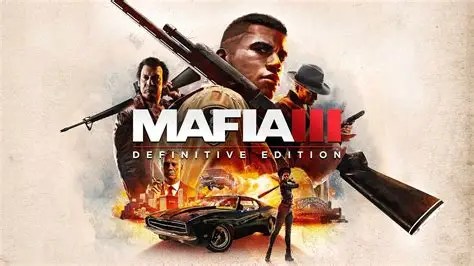
I bought Mafia Trilogy a while back. I played the remake of the original, loved it. Played the updated sequel, loved that too. Then I fired up Mafia III… played a couple of hours… and stopped. Not because it’s bad, I actually really enjoyed Mafia III when it first came out ten years ago, but because, with the trilogy collection, I just didn’t feel like doing the whole thing again. And honestly, I can’t argue with the reviewers who pointed out the game’s problems at launch. They were right, the repetition is real. But since that original release, the game’s had several free updates that add changeable clothing, car customisation, and paid DLCs (all bundled into the trilogy version) that offer new missions. That’s on top of a handful of tweaks that make the whole thing more playable and varied… even if the core loop still leans heavily on “go here, kill them, repeat”.
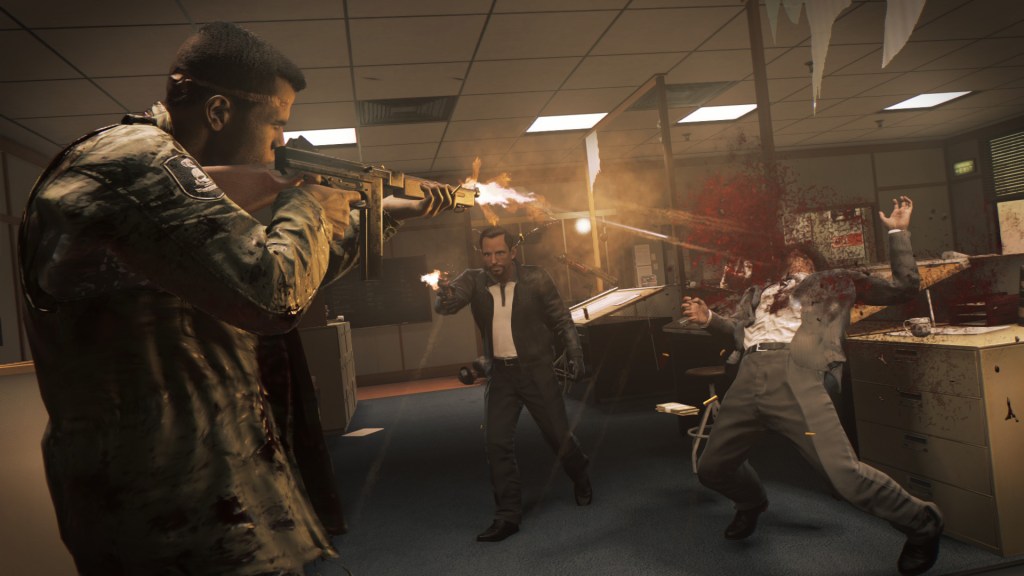
Anyway, last week I decided to give Mafia III another go, and while some of those old issues still linger like a particularly odious bottom smell in a lift, there’s one thing this game does really, really well. Something I’ve not seen any other game tackle with the same confidence, weight, or sheer audacity. Actually, scratch that, there are two things Mafia III absolutely nails.
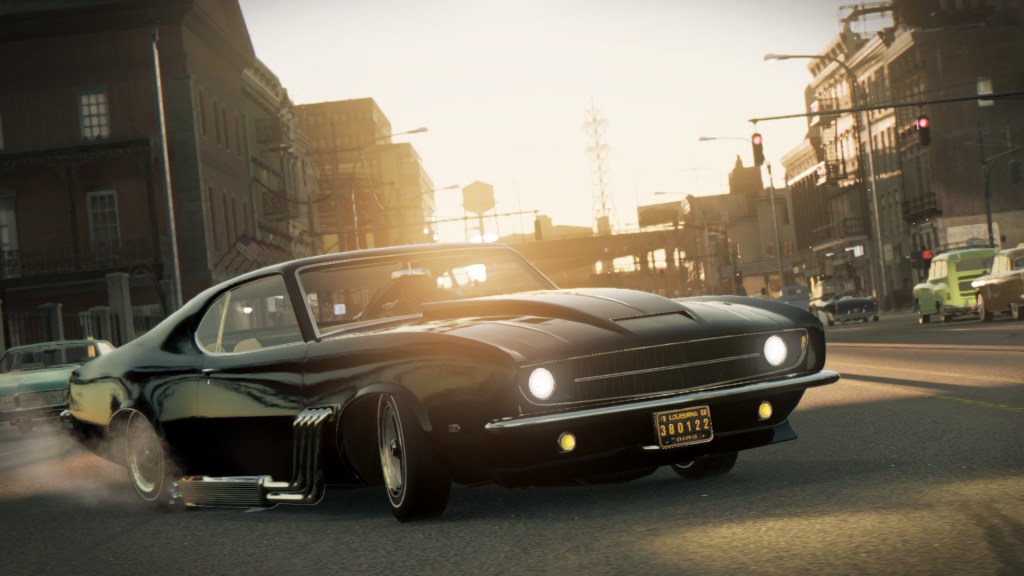
The first is the soundtrack. Set in 1968, the game pulls from one of the richest and greatest musical eras in history. The Animals, Jefferson Airplane, The Beach Boys, James Brown, Roy Orbison, Otis Redding, Janis Joplin, The Rolling Stones, Sam Cooke, Sam & Dave, Status Quo, Dusty Springfield, Marvin Gaye, Jimi Hendrix, The Temptations, Elvis… the list goes on, it’s a dream playlist. Over 100 tracks. All killers, no fillers. Honestly, it might be my favourite game soundtrack ever. Tearing around a fictional New Orleans in an American muscle car with Creedence Clearwater Revival blasting out is… well, it’s good. It’s very good.
But that’s not why I’m writing this article. The other thing Mafia III does brilliantly, and I mean brilliantly, is racism. Not “racism as window dressing”. Not “racism as edgy flavour text”. Actual, systemic, lived, suffocating racism.
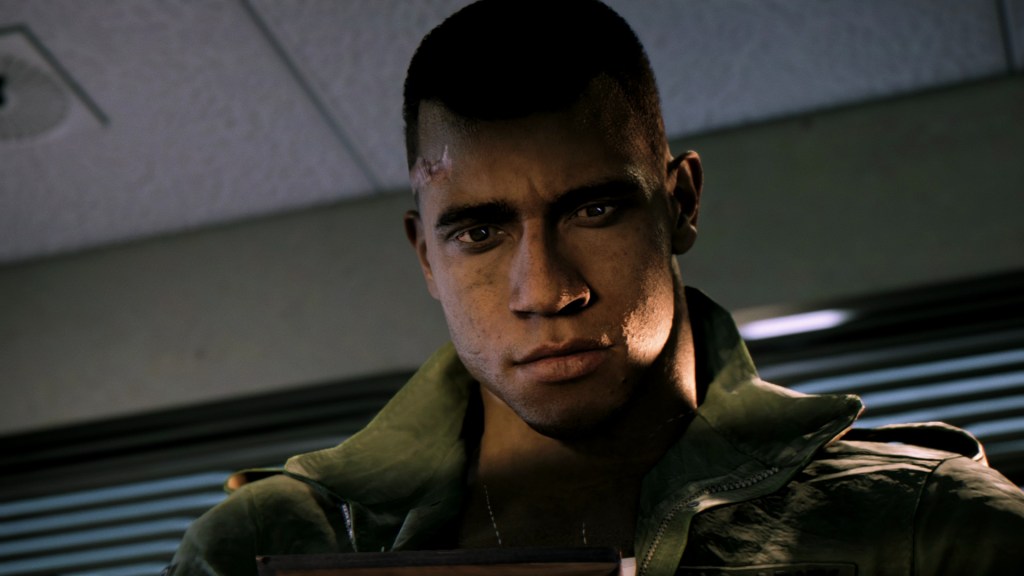
For those not in the know, Mafia III is set in 1968 in New Bordeaux, a fictionalised New Orleans, and you play as Lincoln Clay, a black Vietnam vet returning home to a city simmering with civil unrest. If you’re not sure why that combination is a powder keg, go read a bit about Jim Crow laws and black history in the 1960s. Racism wasn’t just “present” in 1968 America; it was the wallpaper, the floorboards, the air. And developer Hangar 13 opens the game with a warning acknowledging that. They justify including racist content by saying that ignoring it would be disrespectful to the people who lived and died under it. And they’re right.
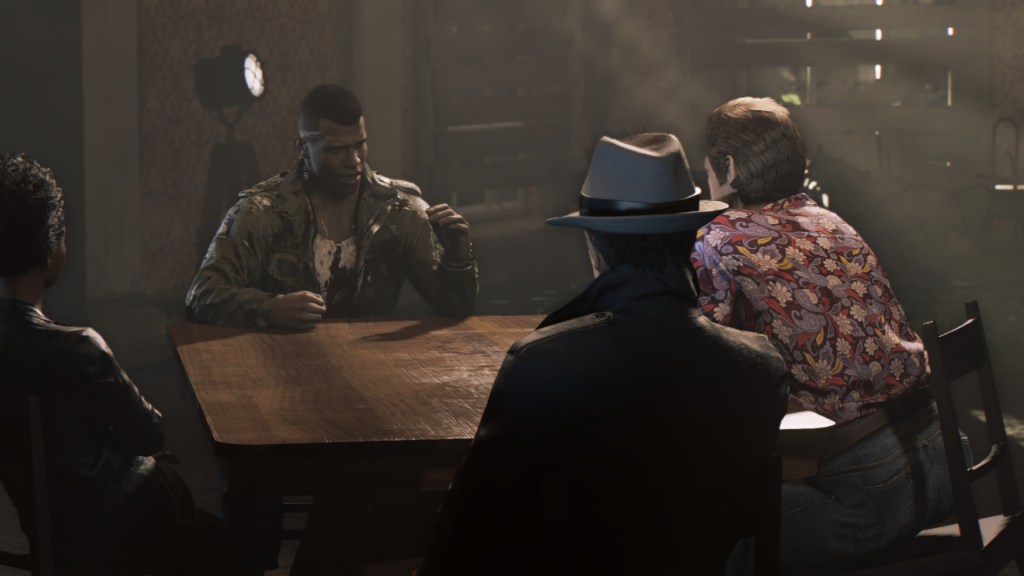
Games tend not to address racism directly. They skirt around it, use allegory, or reduce it to a few slurs tossed around for “grit”. But Mafia III? It doesn’t tiptoe, it doesn’t wink, it doesn’t soften the blow. It walks straight into the fire and drags you with it. The only other game I can think of that even dared to try something similar was BioShock Infinite, but Mafia III goes deeper. Much deeper. The racism isn’t just dialogue, it’s not just the odd “Nigger” now and then; it’s cooked into the world, the systems, the mechanics. It’s not an undertone; it’s an overtone, a klaxon, a constant reminder of who Lincoln is, how the world sees him, and what the South of America was like at the time.
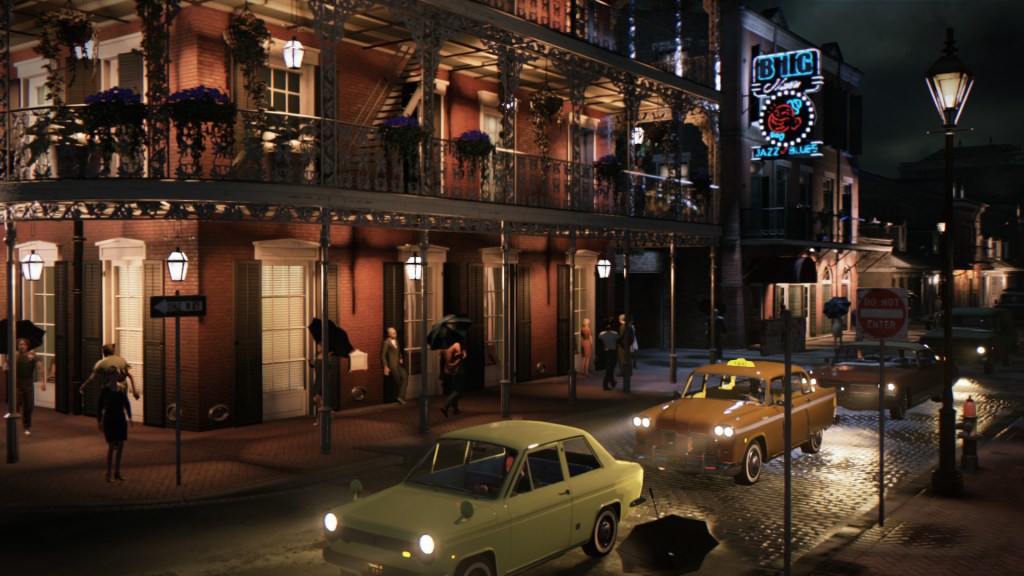
And here’s the thing: I’m very white, but I’ve read books and watched films that have covered racism as their central theme. And yet Mafia III still opened my eyes in ways books and films never quite managed. This is because books and films are passive. You watch, you observe, you sympathise. But as much as you may lose yourself in a book or film, you don’t live it. Games? Games make you inhabit it, make you interact with it. And Mafia III makes you inhabit racism in a way that’s uncomfortable, confronting, and, frankly, quite brilliant. With books and films, you’re sitting there being taken on a ride. With games, you control that ride.
The Subtle Stuff That Isn’t Subtle at All
The racism in Mafia III isn’t just the frequent use of the n-word (though that’s there, and it’s not shy about it). Hangar 13 tries to show what it would have been like to be a black man in the Deep South in 1968, and they do it through gameplay.
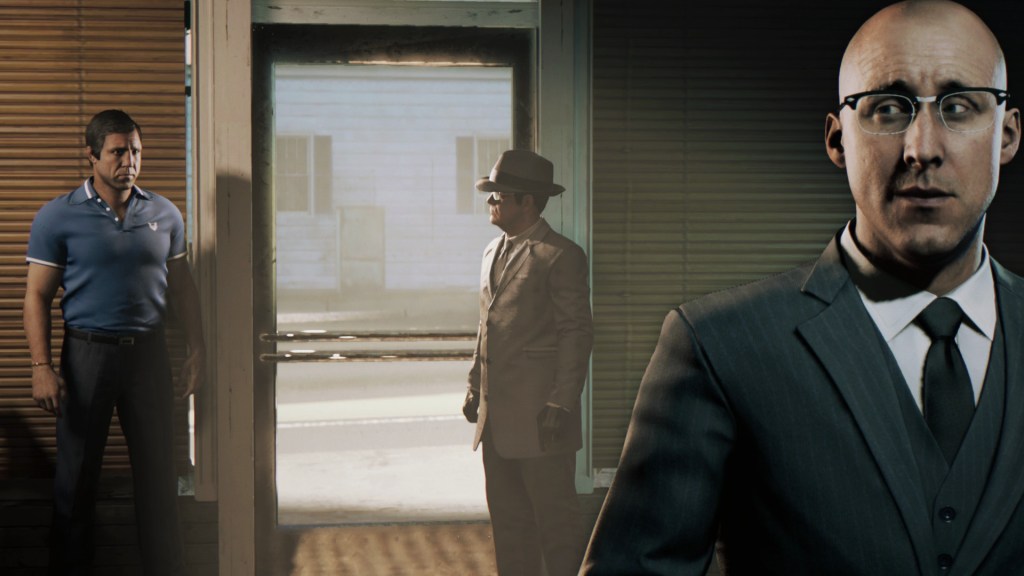
Segregation is everywhere. Walk into a shop in a poor black neighbourhood? No problem, you’ll be met with a friendly greeting. Walk into a shop in a wealthy white neighbourhood, and suddenly, you’re trespassing. The owner tells you to leave. If you don’t, they get aggressive, violent or call the police. The first time this happened to me, I genuinely thought I’d walked into the wrong part of the shop. Games do that all the time, “You’re not allowed here”, “Employees only”, etc. So I just thought I walked into an area that civilians were not allowed in. But the owner started hurling racial abuse and launched threats at me, so I left. That was when I saw it, something I missed walking in, the “No Colored Allowed” sign in the window, and it clicked. I wasn’t in the wrong part of the shop. I was in the wrong skin.
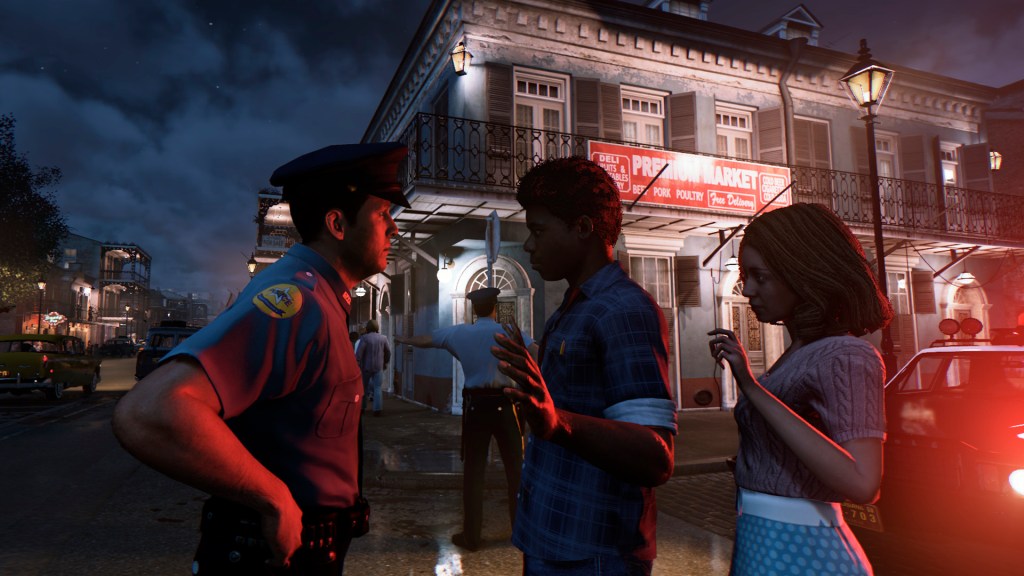
Then there’s the police response. Steal a car from a black NPC? The police radio suggests that perhaps someone should turn up and “maybe take a statement”. They show up late (if at all), search half‑heartedly, and give up after a few seconds. Steal a car from a white NPC? Sirens everywhere. Instant response, full manhunt that doesn’t give up easily. Commit a crime in a black neighbourhood? The police shrug. Commit the same crime in a white neighbourhood? They descend like you’ve just shot the President.
Walk through a white neighbourhood, and you’ll hear “Nigger” a lot, women will clutch their purses close to their chest, you’ll get stared down by rednecks calling you “boy”, and have police officers harass you just for existing. Walk through a black neighbourhood, and people greet you warmly. It’s not that every white character is racist; they’re not, but the world around you is racist, the systems are racist, the rules are racist, and the game forces you to feel that.
The Moments That Hit Like a Sledgehammer
Occasionally, you’ll stumble on a random event, like a white NPC beating up a black NPC. You can intervene or walk away. And that choice is horrible. Do you let the abuse continue? Or do you punch the racist prick in the face and deal with the inevitable police response, who are trigger-happy and implement a “kill on sight” policy? Because the second you stand up against the racism of the world, the game makes you feel very uncomfortable and even casts you as the bad guy when you’re doing the right thing.
Slight spoilers, there’s the mission involving the game’s fictional stand‑in for the Ku Klux Klan, the Southern Union. You crash their meeting, you kill them… lots of them. And I enjoyed it. I really enjoyed it a lot. I enjoyed it so much I reloaded the checkpoint five times just to do it again and try different things. Shotgun headshots, knife kills, creative violence that felt very deserved. I really enjoyed killing the racist cunts. Pure catharsis. Yeah, they’re fictional, but the satisfaction is very real. Later, you attend the funeral of the ringleader you just murdered, disguised as a waiter, and serve poisoned wine to a room full of racist aristocrats. I had a wry smile the entire time. It’s theatrical justice, and the game knows it.
Why Mafia III Matters
No game before or since has portrayed racism like this. Not respectfully, not believably, and not with this level of maturity. As a game, Mafia III has its flaws, repetitive missions, and some rough edges (the updates have improved things a great deal), but its handling of racism is sublime. It proves games can tackle sensitive subjects with nuance and weight, and sometimes do it better than books or films because you’re not just watching the story, you’re living it.
The social commentary the game offers is something that few (if any) games dare to cover and address. Everyone on the dev team should be damn proud of what they have managed to achieve here. An effective piece of storytelling using one of the most abhorrent slices of human history.
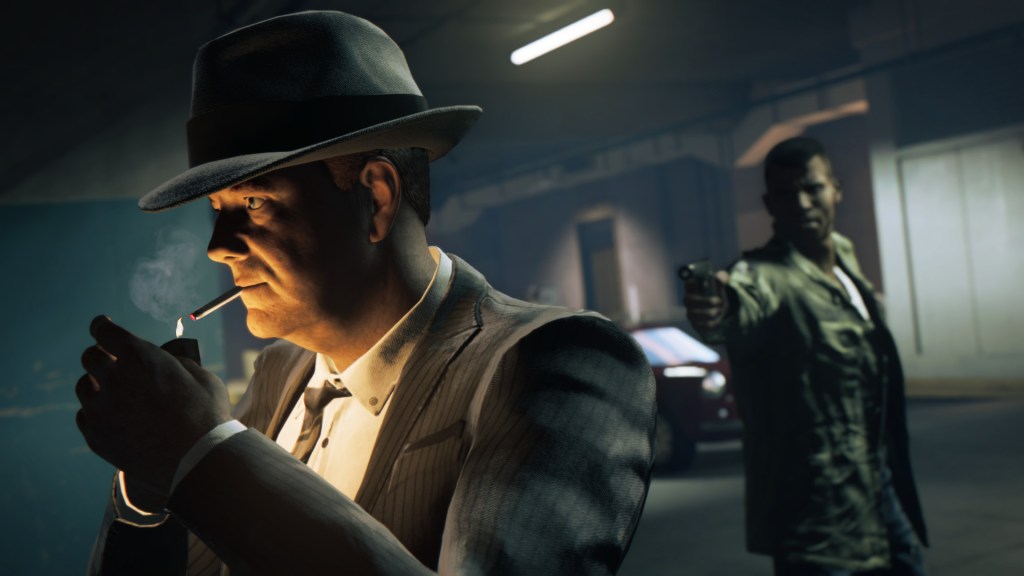
Now, if you’ll excuse me, this cracker is heading back to New Bordeaux to shoot some racist NPCs in the head.


Please leave a reply/comment.