It’s October, Halloween is looming, and I have a multi-part spooky retrospective that I’ll be publishing over the next few weeks. But as I chip away at editing for that particular beast, I thought I might as well unleash this monster in the meantime.
A long, self-indulgent title is practically mandatory for an article of this scale. Full disclosure: I haven’t pre-planned a single word of this. I simply sat down at my laptop, opened WordPress, and decided to type away, research on the fly, and let the zombie chips fall where they may. But my goal is clear: I am going to attempt to make structural, cohesive sense of the George A. Romero Dead universe of films.
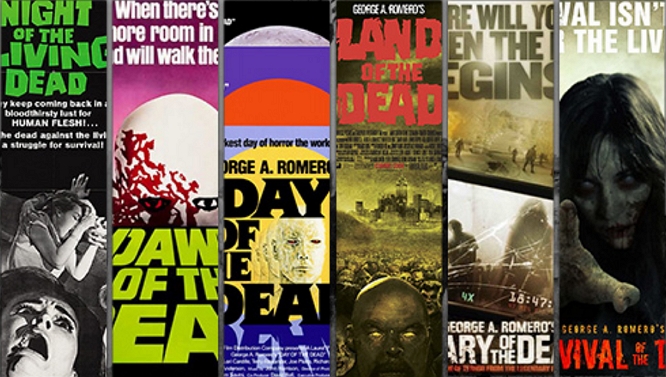
You know the one. That vast, sprawling, flesh-chomping cinematic lineage that kicked off with 1968’s Night of the Living Dead and continues to drag its decaying limbs into the present day. I am looking at everything: the mainline canon, the sequels, the spin-offs, the official remake, the unofficial remakes, the re-edits, the sequel-remakes, and every bizarre cinematic parasite clinging to the IP’s flanks. And by the end of it, I’ll see if this sprawling cinematic universe actually makes a lick of sense. Wish me luck…
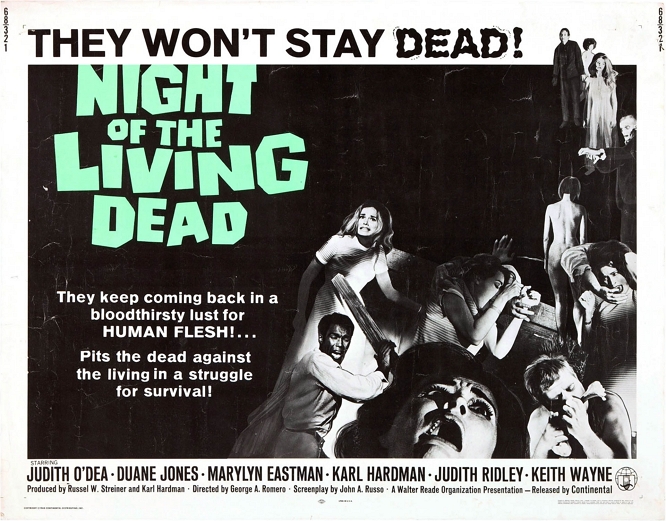
Right then. I suppose I have to start where it all began: at the absolute origin. Night of the Living Dead (1968) is a classic in every conceivable sense of the word. With it, George A. Romero didn’t just direct a hit horror movie; he single-handedly invented the modern zombie archetype. Before this low-budget masterpiece rattled audiences to their core, “zombies” were firmly rooted in Haitian folklore, mind-controlled, resurrected corpses bound to the will of a voodoo master as cheap labour.
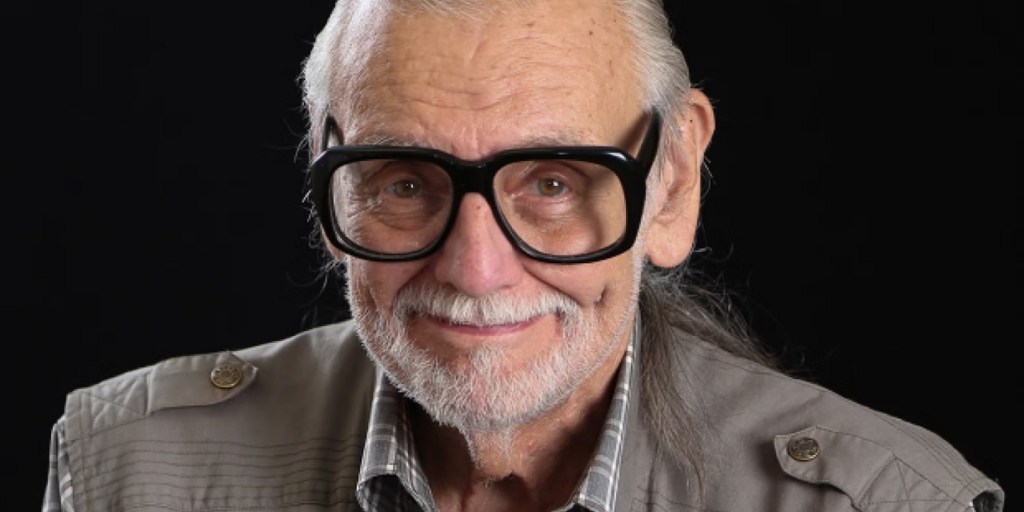
Romero completely re-engineered the trope. He introduced the world to the horrifying concept of the untethered, reanimated dead returning as relentless, flesh-eating cannibals. Interestingly, Romero never actually used the word “zombie” while making it; his original script explicitly referred to them as “ghouls.” The zombie moniker was applied retroactively by critics and audiences after a wave of imitators codified the flesh-eating, dead-rising subgenre. Even so, that tiny black-and-white film turned Romero into the undisputed “Father of the Zombie Film.” Go on, test the theory: Google that exact phrase right now and see whose face stares back at you.
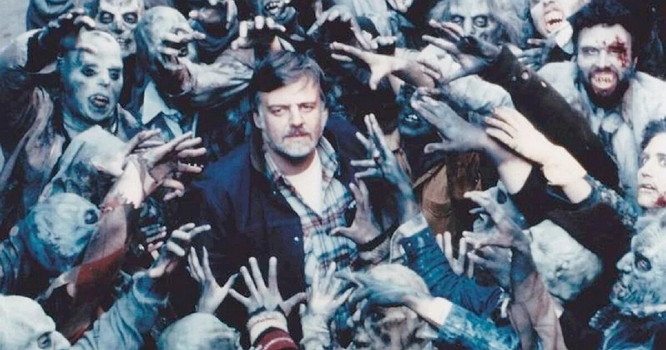
That was the inception of this beautiful, chaotic mess. And while Romero couldn’t possibly have grasped what he was unleashing back in ’68, the Dead universe has spent the last six decades mutating into an uncontrollable beast. Now, if I restrict my scope strictly to George A. Romero’s personal writing and directorial output, I am looking at a core lineage of six films.
The original continuity forms a legendary tetralogy:
- Night of the Living Dead (1968)
- Dawn of the Dead (1978)
- Day of the Dead (1985)
- Land of the Dead (2005)
Then, Romero opted to reboot his own world, launching a secondary, found-footage continuity via Diary of the Dead (2007) and its direct follow-up, Survival of the Dead (2009). Six official Dead features written/directed by the master himself.
Except… a seventh flick is now officially on the way.
Twilight of the Dead (2027) is a project that proves just how impossible it is to keep George A. Romero away from his signature monsters, chiefly because it was filmed nearly a decade after his passing in 2017. You genuinely cannot keep the Father of the Zombie Film down.
To explain the magic trick: Romero co-wrote the original treatment before he died, treating it as his ultimate swan song for the genre. His widow, Suzanne Romero, made it her mission to see his final vision brought to life. In fact, cameras only wrapped on the production a few days ago as I write this in October.
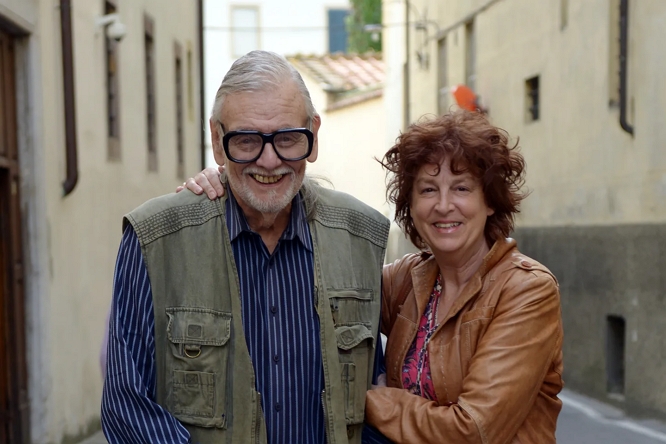
According to official reports, Twilight of the Dead will slot directly into the original continuity, acting as a direct follow-up to Land of the Dead while politely ignoring both Diary and Survival. See what I mean? We are only seven films deep into Romero’s direct catalogue, and the timeline is already splitting at the seams. Same creator, two distinct continuities, one posthumous sequel… and we haven’t even scratched the surface yet. But to understand how this universe is truly fractured, I have to rewind back to 1968.
Night of the Living Dead wasn’t originally called Night of the Living Dead; its working title was Night of the Flesh Eaters. When the theatrical distributor rushed to change the title at the last minute, they made a catastrophic clerical error: they forgot to attach a copyright notice to the new title card. The very second that the film hit screens, it instantly fell into the public domain.
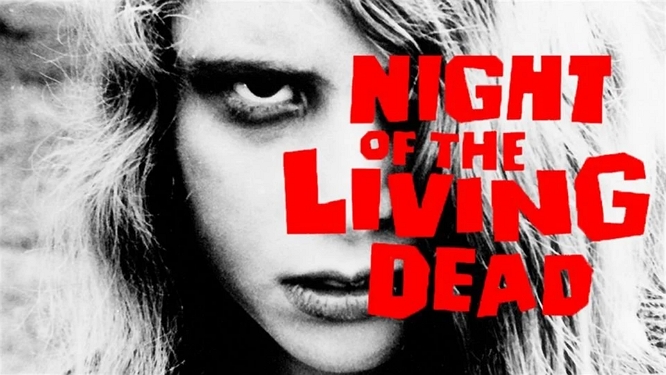
Because of that legal blunder, anyone, anywhere, can legally do whatever the hell they want with Night of the Living Dead. It can be screened without paying royalties (multiple different versions are on YouTube), chopped up, colourised, modernised, remade, or spun off into high-concept nonsense. Anyone can take the story, the character names, and the core premise without paying a single penny for the rights, because legally, no rights exist. And trust me, over the last half-century, a lot of people have taken full advantage of that very loophole.
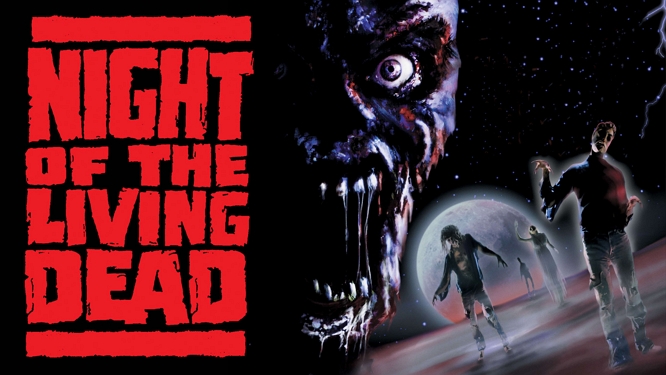
First out of the gate was the 1990 remake, Night of the Living Dead. Directed by practical effects legend Tom Savini from a polished screenplay by Romero himself, this remains the absolute gold standard. Pointless historical titbit: Savini was originally slated to handle the special effects on the 1968 original, but was drafted into the Vietnam War before shooting began. He went on to become Romero’s key creature designer and collaborator across the original trilogy and several other projects, making his directorial debut on this remake is poetic justice. It stands as the only “official” remake of the baseline classic, and it happens to be bloody brilliant.
As for the unofficial remakes, re-edits, fan-funded sequels, and cinematic weirdness that followed? Deep breath. Here we go:
- Night of the Living Dead 3D (2006): A gimmicky 3D overhaul that somehow managed to spawn its own standalone prequel, Night of the Living Dead 3D: Re-Animation (2012).
- Mimesis: Night of the Living Dead (2011): A meta-horror spin where obsessed genre fans find themselves trapped in a “real-life” recreation of the 1968 movie.
- Night of the Living Dead: Resurrection (2012): A low-budget British reimagining inexplicably transposed to the Welsh countryside.
- Night of the Living Dead: Darkest Dawn (2015): A CGI-animated remake that shifts the outbreak into a contemporary urban cityscape.
- Rebirth (2020): An updated indie retake attempting to inject modern themes of bigotry, homophobia, and social media paranoia into the classic farm house siege.
- Night of the Animated Dead (2021): A beat-for-beat, cell-shaded animated adaptation of the original script.
- Night of the Rising Dead (2026): Yet another brand-new, modern-day indie remake taking advantage of the public domain status.
Then there are the direct “sequels” riding the coat-tails of the public domain gravy train:
- Night of the Living Dead II: Announced in 2021, this generated massive buzz by casting Day of the Dead alumni Lori Cardille, Terry Alexander, and Jarlath Conroy. A teaser trailer was released, horror blogs went wild, news outlets posted articles… and then the project vanished into thin air.
- A Night of the Undead (2022): A modern sequel following a crew of true-crime podcasters investigating whether the events of the original 1968 film actually took place.
- Festival of the Living Dead (2024): A direct follow-up set fifty years after the original farmhouse attack, focusing on a group of teens attending a horror festival near the original site.
Beyond the ground-up remakes and shameless knock-offs, Night of the Living Dead has been sliced, diced, and re-edited in post-production more than a couple of times over the years.
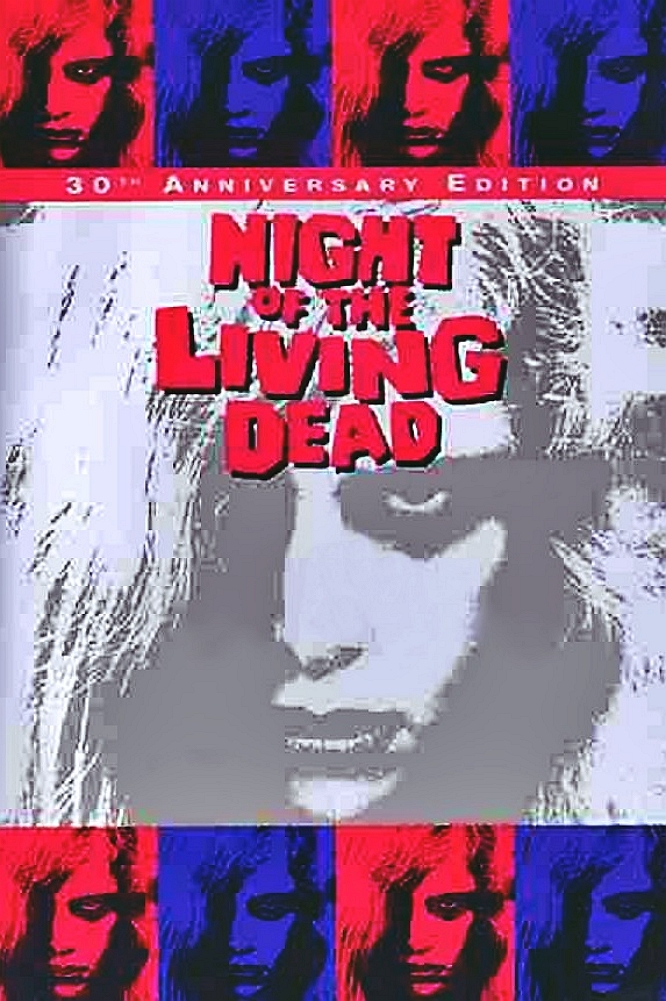
In 1986 and 1997, we were subjected to two entirely separate, questionable colourised passes. Then came Night of the Living Dead: 30th Anniversary Edition (1999), a bizarre re-edit spearheaded by original co-writer John Russo, who shot brand-new footage, added a new synth score, and retrofitted an explicit backstory for the famous “cemetery zombie.”
In 2009, we got Night of the Living Dead: Reanimated, an artistic collaborative project where various animators rendered different scenes in wildly distinct visual styles over the original 1968 audio track. That same year, the monochrome original was not only colourised again, but subjected to a 2D-to-3D post-conversion. Finally, sanity was restored when a frame-by-frame 4K digital restoration was painstakingly constructed from the original camera negatives, finally landing on Blu-ray in 2018 to let us see the masterpiece as clearly as Romero envisioned.
All in all, we are looking at a grand total of seventeen remakes, spin-offs, and re-edits spawned from Night of the Living Dead alone. Seventeen! And that is just the fallout from a single movie.
Thankfully, proper legal safeguards and copyright notices were attached to every subsequent Romero film, which means there are far fewer legal backdoors for rogue filmmakers to exploit. But that doesn’t mean the rest of the official catalogue escaped unscathed.
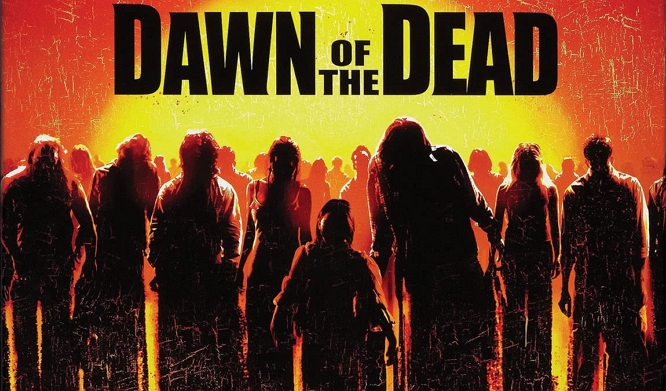
First up is Dawn of the Dead (2004), a ground-up remake of Romero’s 1978 masterpiece. Directed by Zack Snyder, it holds the rare distinction of being the only genuinely brilliant movie he has ever made (admit it, he’s a bit shit as a director). It doesn’t quite touch the satirical genius of Romero’s original, but as an adrenaline-fuelled, running-zombie action-horror? It’s a damn good remake. Meanwhile, the 1978 original received its own facelift: work began on a 3D conversion back in 2007, eventually seeing limited festival screenings in 2013 before getting a wider, glorious theatrical rollout in 2022.
Even the legendary Day of the Dead wasn’t safe from meddling either, giving birth to a truly bizarre quartet of re-imaginings:
- Day of the Dead 2: Contagium (2005): Despite slapping a “2” in the title, this isn’t a sequel at all, it’s an unofficial prequel that has virtually nothing to do with the original story or characters.
- Day of the Dead (2008): A direct remake that borrows character names from Romero’s script, but otherwise resembles the original only in the most distant, superficial sense.
- Day of the Dead: Bloodline (2017): Yet another attempt at remaking the subterranean military-bunker zombie-fest. It sticks a bit closer to the original narrative, but it’s fundamentally terrible.
- Day of the Dead (2021): A ten-episode reimagining for television that attempted to update the premise for a modern episodic audience.
Thankfully, no one has yet dared to touch Land, Diary, or Survival with remakes or unwanted prequels. But our journey through this cinematic graveyard is far from over.
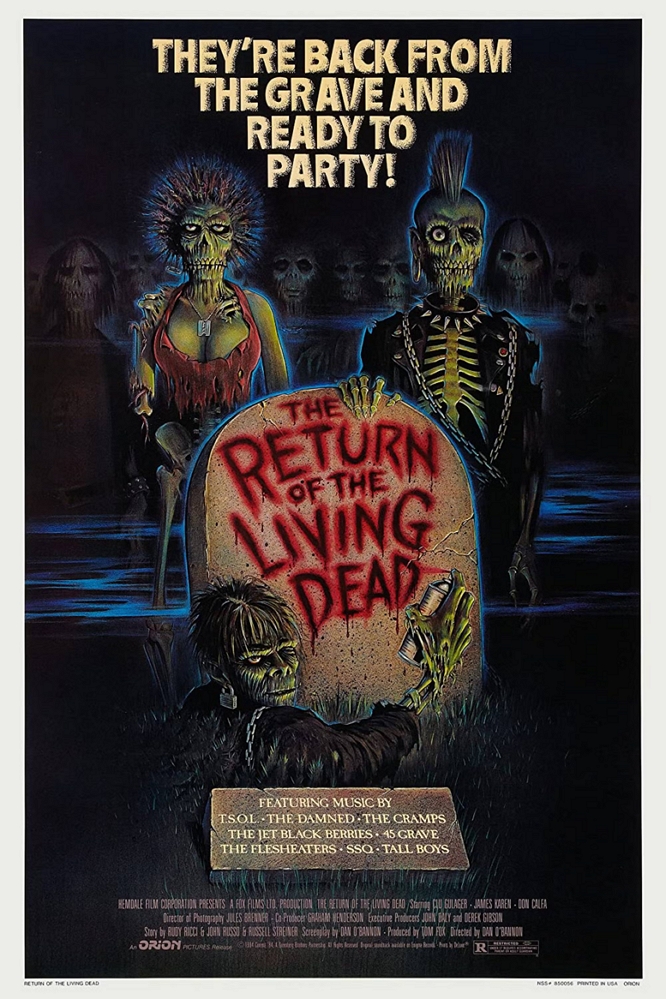
Enter The Return of the Living Dead (1985), a film that actually began life as a direct, official sequel to 1968’s Night of the Living Dead. When George A. Romero and his co-writer John Russo parted ways after the original film, they struck a gentleman’s agreement: Romero retained the rights to make his own Dead sequels (Dawn, Day, etc.), while Russo retained the legal rights to produce works under the banner of Living Dead. Russo penned a novel titled Return of the Living Dead, which was eventually adapted for the screen by Dan O’Bannon into a punk-rock, comedy-horror masterpiece.
The brilliant meta-premise of Return is that the events of the original 1968 Night of the Living Dead movie actually happened in real life, but were covered up by the US military, and that Romero’s film was merely a sanitised, fictionalised movie based on those true events. Naturally, military canisters leak, toxic gas spreads, and a terrifying new breed of fast-moving, brain-eating corpses starts causing absolute bloody havoc. It is easily one of the greatest zombie movies ever made.
Naturally, this distinct branch of the Living Dead family tree mutated into its own franchise:
- Return of the Living Dead Part II (1988)
- Return of the Living Dead III (1993)
- Return of the Living Dead: Necropolis (2005)
- Return of the Living Dead: Rave to the Grave (2005)
Then things got messy. A new legacy sequel simply titled Return of the Living Dead was produced, designed to wipe the slate clean by ignoring every entry after the 1985 original. Set in 1985, eighteen months after the events of the first film (which was released in 1985, but actually took place in 1984), this project wrapped principal photography with an eye on a December 2025 release, before being pushed back to November 2026. A teaser trailer was released featuring the iconic and fan-favourite Tarman zombie getting ready for his Christmas return.
But as I write this in October, it has gone completely radio silent, seemingly dragged down into a bog of legal disputes, thanks to MGM. With zero promotional momentum, that November release date looks dead in the water unless lawyers can perform a miracle.
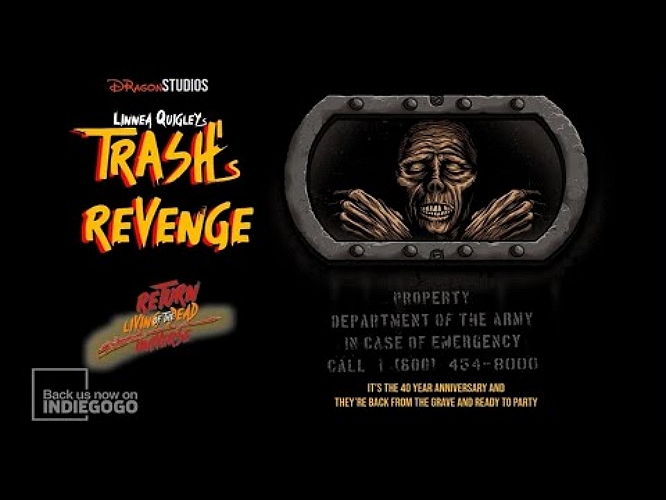
And because this franchise simply cannot exist without legal headaches, yet another competing direct sequel titled Trash’s Revenge was announced in 2022. This one promised to bring back scream queen Linnea Quigley to reprise her legendary role as Trash from the 1985 original, completely ignoring all other sequels. Nothing has been heard of it since, and I think it’s safe to assume it’s rotting in the exact same legal hellhole.
Now, strap yourselves in, because we are stepping into the absolute wildest, most brain-melting corner of this universe: International Title Re-Branding.
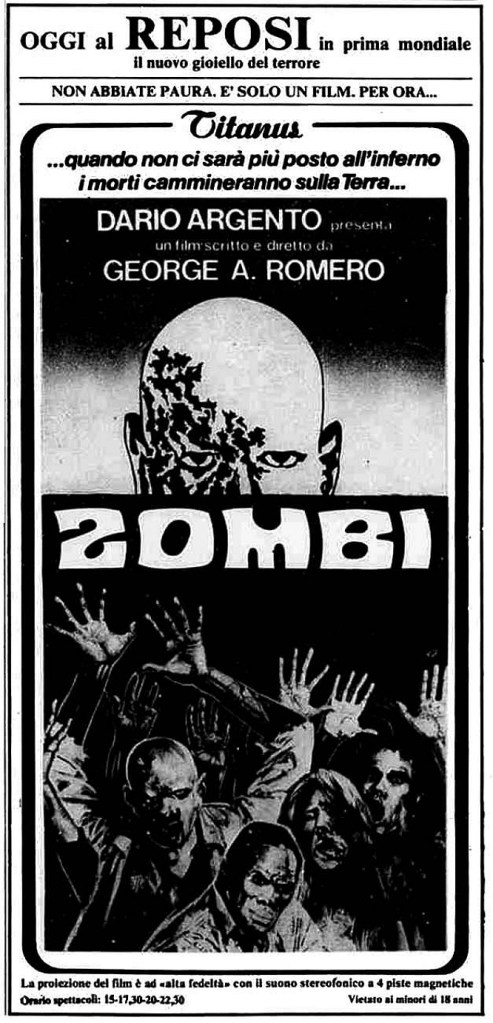
When George A. Romero released Dawn of the Dead in 1978, it was released in Italy under the title Zombi, with a re-edited cut supervised by Italian maestro Dario Argento. Italian director Lucio Fulci then directed a loose, terrifying thematic follow-up titled Zombi 2 (1979), which kicked off its own Italian horror craze, followed by Zombi 3 (1988).
But when Fulci’s Italian hits were exported to the United States, distributors ran into a glaring problem: they couldn’t use the Dead brand, and they couldn’t use Zombi because of trademark clashes. So what did they do? They simply renamed Zombi 2 as Zombie, and renamed Zombi 3 as Zombie 3. Have you noticed the naming problem? There was no US release called Zombie 2.
Unbothered by basic arithmetic, American distributors then built an entire US franchise around this bizarre numbering scheme, releasing Zombie 4: After Death (1989) and Zombie 5: Killing Birds (1987). Five numbered Zombie films in total, but realistically only four, because Zombie 2 didn’t exist. Oh, and those last two had absolutely nothing to do with the first two films. Distributors just took unrelated European flicks and threw the Zombie name on them.
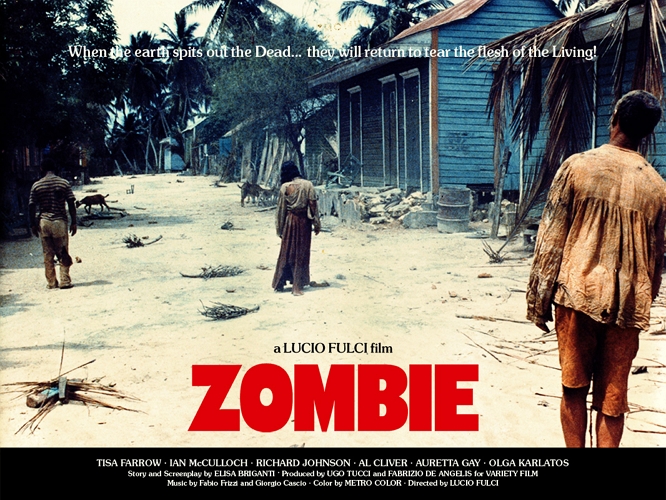
It gets worse. In the 1990s, US home video distributors decided to re-release the series, grabbing more completely unrelated, obscure European horror flicks, slapping new title cards on them, and retroactively filling in the gaps, including finally “fixing” the missing second film:
- Zombie (Originally Zombi 2, 1979)
- Zombie 2 (Originally Zombi 3, 1988)
- Zombie 3: Return of the Zombies (Originally an unrelated 1973 film)
- Zombie 4: A Virgin Among the Living Dead (Originally an unrelated 1973 film)
- Zombie 5: Revenge in the House of Usher (Originally an unrelated 1982 film)
- Zombie 6: Monster Hunter (Originally an unrelated 1981 film)
- Zombie 7 (Originally an unrelated 1980 film)
Are you cross-eyed yet? Because Australian video distributors looked at this mess and said, “Hold my Great Northern Super Crisp.”
Down in Australia, they imported various unrelated European movies and marketed them as sequels to the Italian Zombi series, except they inexplicably started the franchise at entry number four, despite never having released the first three under the Zombi name! (They did get Romero’s Dawn of the Dead, but under its standard title). So Australian audiences were treated to:
- Zombi IV: Bakterion (1982)
- Zombi V: Vengeance (1973)
- Zombi VI: The Mirage (1981)
- Zombi VII: Last Rites (1975)
- Zombi VIII: Urban Decay (2020)
None of these had a single thread connecting them to Romero or Fulci. They were just random European exploitation films rebranded to fit a franchise that didn’t technically exist in the country anyway.
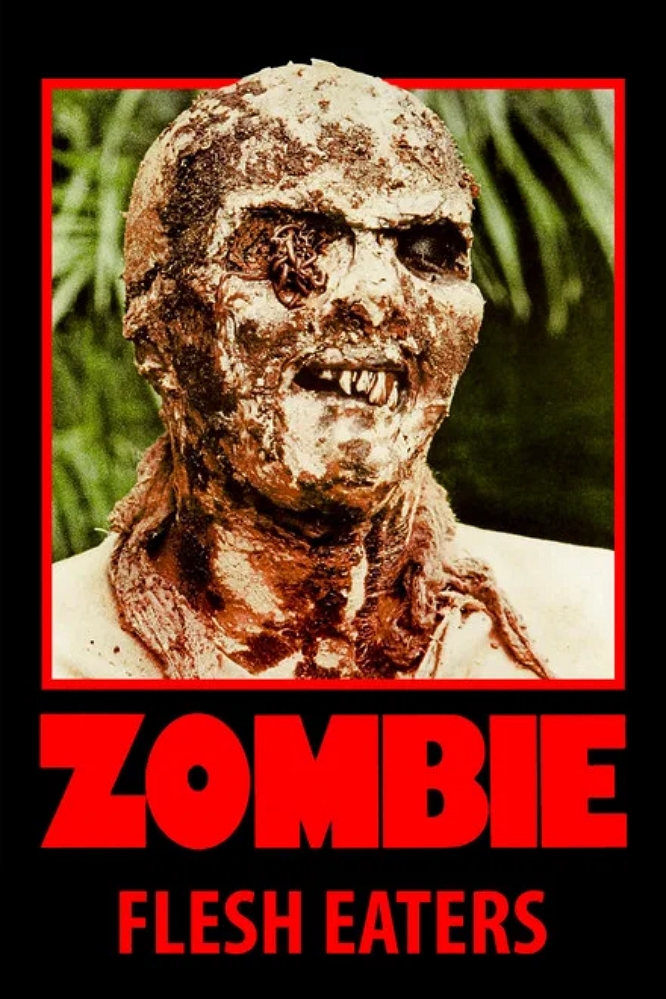
What about here in good old Blighty? The UK had its own special brand of chaos. We received Romero’s films under their proper titles, but when Fulci’s Zombi 2 arrived on our shores, it was rechristened Zombie Flesh Eaters. That was followed by Zombie Flesh Eaters 2 (Zombi 3), and to round off a “trilogy,” distributors slapped the title Zombie Flesh Eaters 3 onto a completely unrelated film that was originally called Night of the Sharks (1989).
Germany went in a different direction entirely. They took two of Romero’s masterpieces and one of Fulci’s Italian splatter films and welded them together into a single, Frankenstein-monster of a trilogy:
- Zombie (Dawn of the Dead)
- Zombie 2: Das Letzte Kapitel (Day of the Dead)
- Zombie III (Fulci’s Zombi 3)
Technically, Germany did get Fulci’s original Zombi 2, but it was released as a completely standalone entity under the title Woodoo.
Right. I’m stopping here. I have to. There are dozens more territories where Romero’s originals and Fulci’s Italian spin-offs were re-cut, re-titled, and re-packaged into localized franchises, but my sanity simply cannot take any more.
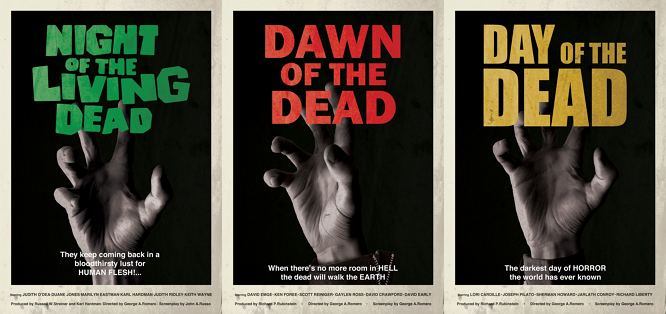
My honest, seasoned advice? If you want to keep your head from exploding this Halloween, stick strictly to George A. Romero’s core trilogy: Night of the Living Dead, Dawn of the Dead, and Day of the Dead. That is not to say there aren’t genuine gems buried in the surrounding sludge, Savini’s 1990 Night remake is top-tier, and 1985’s Return of the Living Dead is an all-time genre classic. It’s just that if you step off the beaten track, you will tumble down an endless, madness-inducing rabbit hole of remakes, prequels, spin-offs, re-edits, regional re-titlings, and sequels that aren’t sequels. There is quite simply no cinematic universe on Earth more utterly convoluted than this one. And… I didn’t even touch the videogames, comics, or tie-in novels.
So, getting to the decaying flesh of this whole article: Have I managed to make logical, cohesive sense of the George A. Romero Dead universe? No. Absolutely not. Nobody can. The entire endeavour has been a colossal, glorious waste of fucking time.
Happy Halloween!


Please leave a reply/comment.